
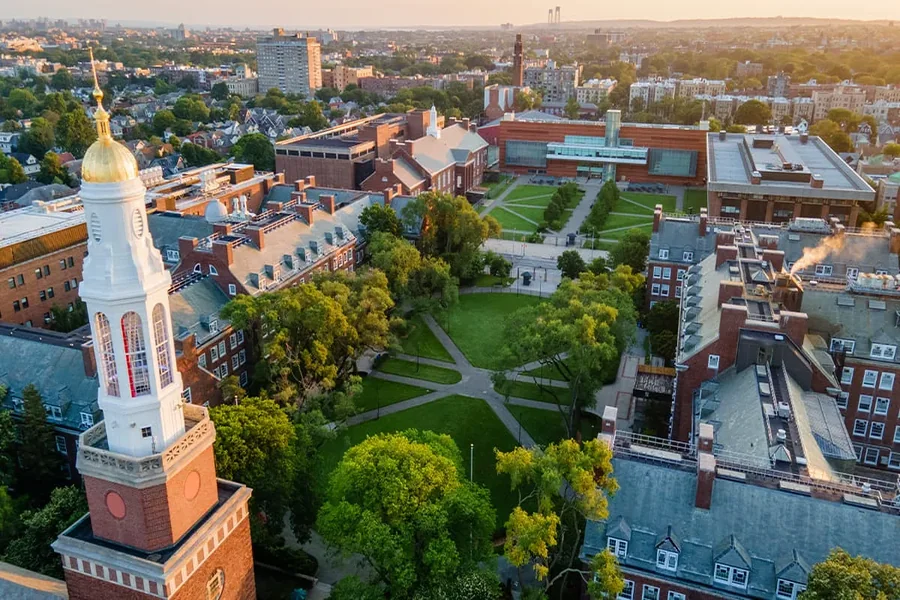

The narrative around higher education often paints Ivy League schools as the ultimate goal — a place where prestige and opportunity collide. Yet, in New York, an unlikely challenger is quietly changing lives and shifting perspectives: community colleges. These schools, long dismissed as “backup options,” are seeing enrollment surge, hinting at a larger shift in how students approach education.
In 2024, for example, SUNY community colleges saw a 1.9% annual headcount increase, while
CUNY saw a 6% jump in enrollment at its community colleges. At Hudson Valley Community College alone, newly enrolled students more than doubled in spring 2025, an unprecedented 125% increase compared to the previous spring. This momentum shows one thing clearly: Students are reevaluating where the real value in education lies.
Affordable, Transferable, Achievable
The average cost of tuition at a New York community college is just a fraction of what students would pay at private universities. That lower cost matters, not just for affordability but also for mobility. Community colleges in New York have high transfer rates into well-known four-year programs, including CUNY schools and even Ivy League universities like Cornell. This allows students to start small, minimize debt, and still graduate with the same diploma as peers who spent four years at an expensive institution.
The outcomes speak volumes. Students who begin at community colleges and transfer frequently perform at or above the level of those who enrolled directly into four-year programs. The Ivy League might win on brand recognition, but New York’s community colleges are winning on accessibility, success rates, and life-changing opportunities.
Innovation Through Partnerships and Programs
New York’s community colleges also excel in offering specialized programs built for today’s economy. From cybersecurity courses at Hudson Valley Community College to advanced healthcare certifications at LaGuardia Community College, the focus is squarely on careers that are in demand now. Many of these colleges have direct partnerships with local industries, offering internships, apprenticeships, and hands-on training that give students an immediate edge in the job market.
Often, students looking for fast-track career options find community colleges more appealing than traditional four-year universities. Certifications in fields like advanced manufacturing, IT support, or green energy can lead to stable, well-paying jobs without the years-long commitment of a bachelor’s program.
Supporting First-Gen and Low-Income Students
For many first-generation and low-income students, community colleges offer a supportive environment that the Ivies have struggled to replicate. From tutoring and mentorship programs to mental health resources and flexible class schedules, these ib school prioritize student needs beyond academics. The result is not just improved graduation rates but stronger social mobility — a mission that aligns perfectly with New York’s diverse population.
Rethinking Prestige in an Uncertain Economy
With student debt surpassing $1.7 trillion nationwide, the question of value is at the forefront of higher education discussions. Community colleges may not boast ancient libraries or ivy-covered buildings, but they’re winning on something far more practical: opportunity. And in a time when economic uncertainty is shaping how people think about education, that advantage is hard to ignore.
For those exploring the best colleges in New York state, community colleges deserve more than a passing glance. They may lack the prestige of the Ivy League, but in accessibility, innovation, and outcomes, they’re setting a standard that elite schools would do well to notice.
Author Bio
Josh Kruk is the Director of Digital Marketing at Canisius University. With extensive experience in content strategy, website optimization, and user experience (UX), he specializes in driving digital growth through data-driven marketing and SEO. Josh has led large-scale digital initiatives that enhance engagement, improve search visibility, and optimize user journeys.
Passionate about innovation, he continuously refines digital experiences to maximize impact.
