
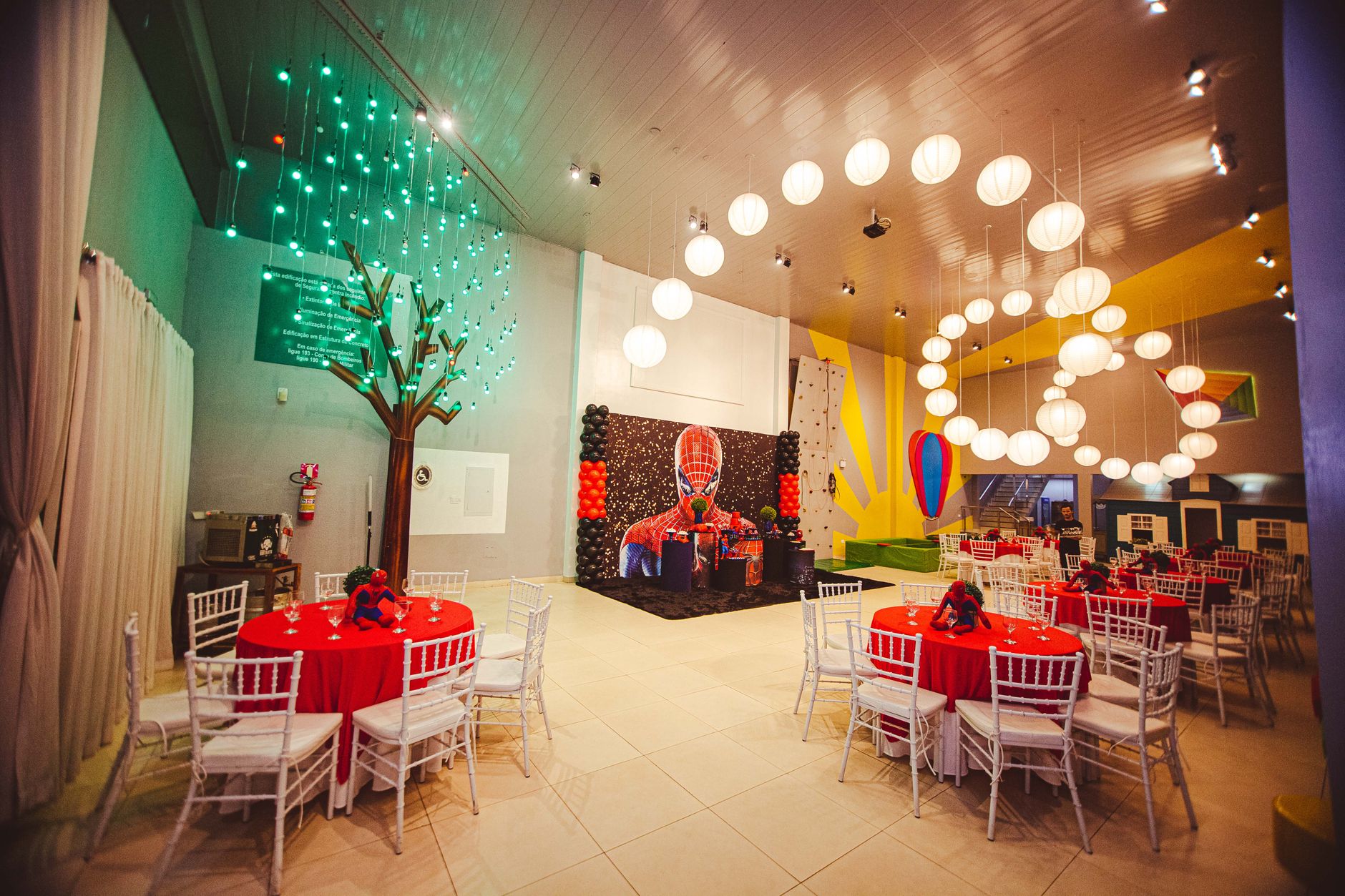

Party entertainment can look simple until the quotes start adding up. One supplier may list a flat hire fee, while another adds staffing and delivery on top. The final total rarely matches the headline rate unless every cost is checked first.
Set the entertainment line first
Start with your total before settling on an act. Decide what the whole day can cost, then set a separate amount for entertainment. Venue and catering usually take the first bite, so what remains is your practical entertainment budget. That number keeps spending in check when quotes start landing.
Private parties and corporate events are often priced differently. A backyard birthday may need a couple of hours of entertainment and a straightforward drop-off. A corporate function can require punctual setup and staff who know how to manage a larger crowd. That extra labour and coordination usually costs more.
Party hire pricing can seem inconsistent, but most suppliers work from set hire blocks and repeatable operating costs. When comparing quotes side by side, look beyond the headline fee and check whether delivery, staffing, setup time and weather terms are already included. A more expensive first figure may cover costs that another supplier adds later.
Age mix shapes what you can hire. Toddlers need low soft play and shorter sessions, while teens may prefer music or a hero attraction. Weight limits and height rules can rule some items in or out. Check those limits before budgeting for an event with mixed ages.
What sits inside every quote
Most quotes draw on several common building blocks. These can include the hire window, often sold as a half-day or full-day block, followed by delivery, pickup and labour for setup or supervision. Once those parts are clear, competing quotes become easier to compare.
Setup and pack-down take real time. A jumping castle may require a blower, mats and enough time to peg and test the equipment. A photo booth needs calibration, with props and the print area arranged before guests arrive. Ask whether setup time sits inside the hire window or is scheduled separately.
Distance can change the price. Many suppliers include a local service zone and charge extra beyond it to cover fuel and crew time on the road. Perth metro sprawl is a good example, with northern and southern suburbs sitting far apart. If the venue is outside the supplier’s base zone, expect to discuss travel charges.
Live acts carry different costs. A solo DJ needs decks and speakers, while a duo requires more space and may take longer to set up. Face painters usually charge by time rather than by face. Photo booths may need an attendant to manage prints and queues, so each service has a different pricing model.
Insurance may also affect the quote. Ask whether the supplier carries current public liability cover and can provide a certificate when required. Established businesses generally account for insurance within their overheads, while informal operators may offer different arrangements. The distinction matters if an incident occurs.
That paperwork matters more than optional extras.
Dry hire compared with wet hire
Dry hire commonly refers to equipment supplied without an operator staying for the booking, although inclusions differ between suppliers. The crew may deliver and set up the item before leaving supervision to the customer. It is often cheaper because the customer takes on more responsibility. This arrangement may suit lower-risk items at a backyard event where adults remain present.
Wet hire generally means an operator stays during the booking. Depending on the equipment, they may carry out checks, manage turns and monitor stated limits. They can also respond if wind conditions change or the equipment needs to be shut down. The higher price reflects their time, responsibility and experience.
First-time bookers sometimes compare a dry-hire price with a staffed quote and assume one supplier is expensive. The services are different because one includes ongoing labour and the other may not. Always ask which model is being offered and what supervision it includes. This makes quotes much easier to compare.
Backyards may be suitable for dry hire when responsible adults can stay close and the supplier permits it. Parks, school fairs and other public events can be subject to venue, council or insurer requirements. Wind decisions and power interruptions also need a capable person on hand. For some events, those conditions make an operator worth the additional fee.
Why hero attractions are priced differently
DJs, photo booths, face painters and live acts often sit in the middle of an entertainment budget. They generally need one person and a relatively compact setup. Jumping castles can sit near the entry point for children’s events when the equipment and delivery requirements are straightforward. Larger hero attractions are usually priced above both.
Mechanical bulls involve specialised equipment, ongoing maintenance, power requirements and active ride control. When considering a booking such as The Fun Depot bucking bull, confirm whether an operator is included, what they manage and how the ride is supervised. The price may cover attended operation and maintained equipment rather than floor space alone.
Parents may wonder why an attended ride costs more than drop-off hire. The difference comes down to time and responsibility. An operator can watch riders, manage the queue and enforce the supplier’s age or weight rules. Supervised operation means someone is focused on running the attraction rather than handling other party tasks.
Hero attractions can also involve stricter suitability checks. Height and weight limits determine who can ride, while power access and flat ground affect placement. An experienced supplier should be able to assess whether the gate, slope, power point and surface suit the equipment or whether a smaller footprint is needed. If the site cannot meet those requirements, the plan will need to change.
Maintenance is a less visible cost. Bulls require padding checks and motor servicing, while castles need cleaning and seam repairs. Generators also need fuel and testing. Suppliers account for these expenses in their hire rates, and unusually cheap quotes may not offer the same maintenance arrangements.
Costs that hide in the fine print
Weekends can cost more than weekdays, with school holidays and warmer months creating further demand. Suppliers have limited equipment and crews, so prime slots tend to go first. Moving an event to a Friday or Sunday morning may provide more availability. Date flexibility can therefore help the budget.
Many items have a minimum hire block. Booking a castle for one hour may not be possible because the crew still has to drive both ways and complete the setup. A very short floor time may not make the job viable. Ask about the minimum before finalising the run sheet.
Weather terms deserve a careful read. Some suppliers allow postponement when rain or high winds affect the booking, while others retain the deposit after a late cancellation. Non-refundable deposits are common because reserved equipment cannot be offered elsewhere. Check the relevant window and get the policy in writing.
Deposits provide certainty for both sides. The payment holds the date, while the booking commits the supplier’s crew and equipment. Read the balance due date and refund terms before paying. Keep postponement rules in the same email thread so the full agreement is easy to find.
Access can add cost when it has not been discussed. Stairs, long carries, sand and uneven ground slow setup. A site without a nearby power point may require generator hire, while a lack of shade can create heat concerns for afternoon events. Send site photos and ask what the crew needs.
Perth weekends during warmer months can book quickly because suppliers run limited stock across a wide metro area. Booking several weeks ahead generally provides more choice, although last-minute weekday availability may still be possible. If the date is fixed, secure the hero attraction first.
How bundling and timing lower the per-item cost
Booking two items from one supplier can be cheaper than splitting them between businesses. A single truck may cover one trip, with the same crew completing setup and pickup. If this reduces the supplier’s travel and labour, some of the saving may be reflected in the package. Ask for a combined price rather than simply adding two standalone quotes.
Some large items can be bundled when the supplier has suitable transport, staffing and scheduling. Attractions for different age groups may also work together if their start times can be coordinated. Midweek and off-peak dates provide another option. A discount is not guaranteed, but quieter dates often offer a better choice of times.
Corporate clients may bundle branding and extended hours, while private parties often combine a hero attraction with quieter activities. Both can gain value when services come from one team. One contact and one arrival window are also easier to manage than several separate bookings.
Think about access and power early. Measure gate width, check for slopes and confirm where power points are located. Work out how far leads must run, then plan shade and water for hot days or a wet-weather backup for winter events. These details determine whether the equipment can operate safely.
An illustrative budget you can adapt
The figures below show how the costs can fit together. They are illustrative only, not quotes or market averages. The example uses AUD and covers a three-hour party for around 25 children. Its purpose is to show the budgeting method rather than recommend a particular spend.
How the example is built
● Hero bull ride with operator for three hours: $620 example figure
● Jumping castle on dry hire for same window: $340 example figure
● Face painter for two hours: $280 example figure
● Shared delivery and pickup for both large items: $130 example figure
● Contingency for extra time or weather changes: $90 example figure
● Illustrative total for entertainment: $1,460 example total
Shared delivery is where the potential saving sits. If one truck and crew can handle both large items, two separate call-outs may be avoided. A small contingency allows for extra time or weather-related changes. This helps keep the working budget under control.
If the total is too high, swap one add-on for a DIY game or keep the hero attraction and cut a supporting activity. Shortening the hire window may also help if the supplier allows it. Small changes can move the total quickly. Supervision should not be cut simply to reduce the price.
Use the same structure for other events. List the hero attraction and supporting acts, then include the logistics charges. Add travel and contingency as separate lines. The item driving the overall total should become clear.
Questions to ask every supplier
Reliable suppliers should answer practical questions without fuss. Send them in one email so the replies are easy to compare. Vague answers can be a warning sign, while clear terms make it easier to understand exactly what is being booked.
● Is public liability cover current and can you send the certificate?
● Is an operator included for the whole hire window and what do they manage?
● How long do setup and pack-down take and is that inside our time?
● What are the age and weight rules for each item?
● What happens if weather turns and what is the postponement window?
● What deposit secures the date and when is the balance due?
The cheapest quote can become expensive on the day if important support is missing. A lack of backup equipment may mean one fault stops the attraction, while unclear insurance can leave responsibility unresolved. Late arrival without a reliable contact can also disrupt the event. Paying for dependable service may offer better value.
Flexibility helps. Use it where possible.
Build the budget around the experience required rather than the cheapest headline. Ask about staffing, access and the fine print early. Clear answers make it easier to book confidently and avoid unexpected costs.
