
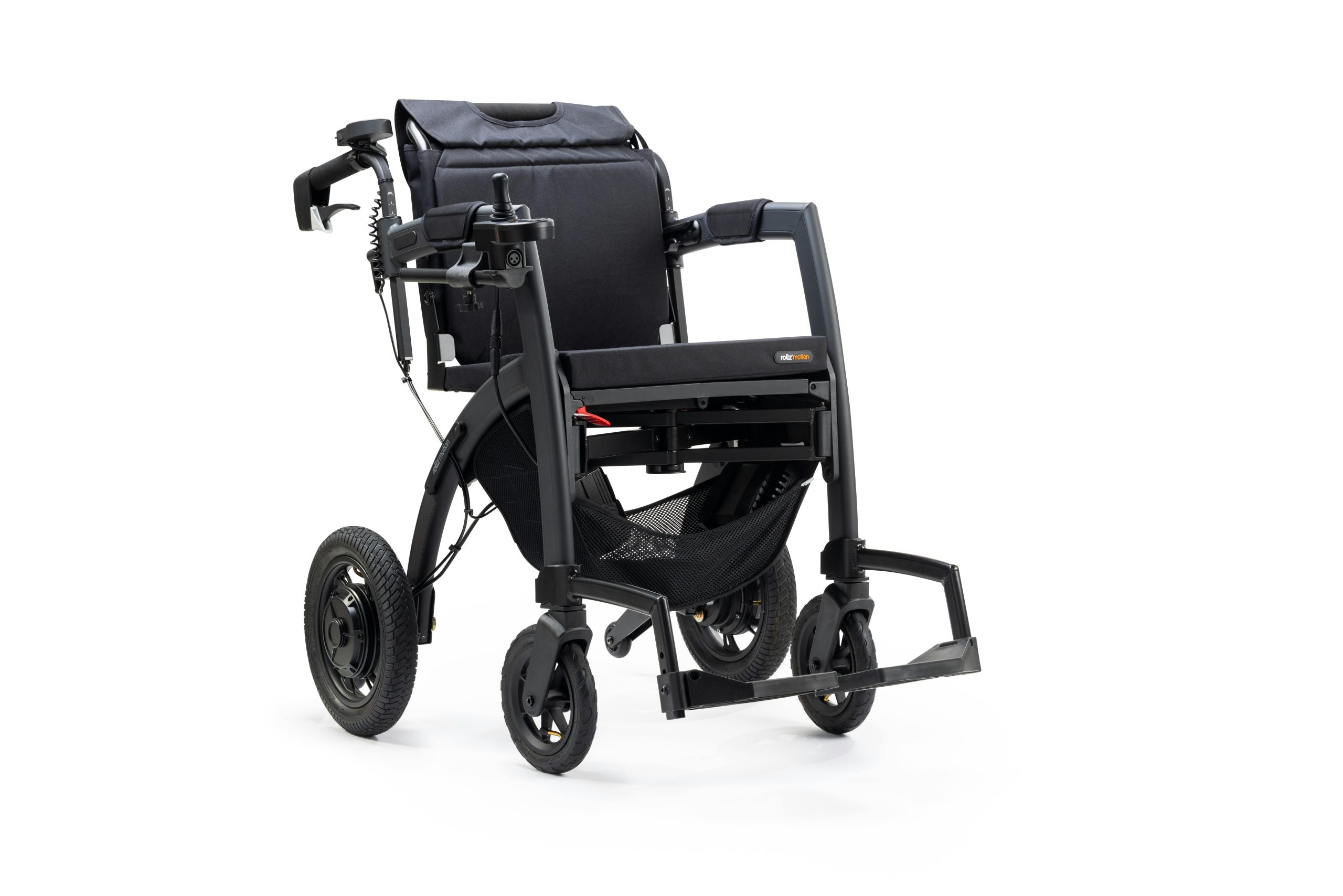

The impact of loss of mobility is unexpectedly felt in everyday life. Even the simplest routine activities, such as grocery shopping, visiting family, or navigating around inside the house, can become exhausting. As a result, people often purchase a mobility chair too soon and later discover that the chair is not a good fit for their lifestyle, body, and home. Such decisions can eventually lead to discomfort, inconvenience, and unnecessary expenses.
However, careful research makes a huge difference. A properly designed wheelchair will optimize comfort, reduce strain, and restore independence. In fact, the right model should ease day-to-day challenges rather than compound the problems. Features such as seat size, battery range, portability, and drive performance matter far more than most buyers realize at first. Paying attention to these details can greatly improve comfort and confidence in daily life.
Here are the most important features to evaluate before choosing a power wheelchair.
1.Choose the Right size and Fit
The first step in selecting a power wheelchair is to determine your daily needs. Some require assistance indoors, while others are on the move frequently or spend many hours away from home. A wheelchair for tight apartments is very different and requires different handling than a wheelchair designed for parks, sidewalks, or uneven pavement. Because of this, those who fail to assess their needs properly usually end up with equipment that does not feel comfortable after a few months.
Body support also matters more than many first-time buyers expect. In fact, posture and comfort depend on seat width, back support, footrest positioning, and cushion quality. Over time, poor support may result in fatigue, muscular strain, and pressure injuries. Research published found that wheelchair seating and positioning play a direct role in long-term physical health and user comfort.
Ultimately, the decision will also be influenced by how the home is laid out. For example, narrow hallways, sharp corners, and small elevators require compact turning ability. Although larger outdoor models tend to feel more stable, they may still be difficult to use indoors. Before buying, measure key areas such as doorways and living spaces to avoid costly problems after the sale.
2. Check Battery Life

Battery performance affects independence more than many buyers realize. A wheelchair with short reach can introduce stress when conducting errands, attending appointments, or going on social visits. Because of this, most users appreciate the actual range of the chair during a single charge, as opposed to the manufacturer’s projected range estimates, which are usually unrealistic.
The performance of the battery also changes rapidly when the terrain alters. For example, hills, rough sidewalks, grass, and heavier body weight can all reduce range. Although travel wheelchairs might be lightweight for easier mobility, they might not provide long battery life. As a result, those who spend several hours out of the house every day typically require more robust batteries and motors.
The convenience of charging is also worth consideration. For instance, some batteries dismount easily for indoor recharging, while others may require the whole chair to remain close to the power source. In addition, downtime can be drastically reduced with fast charging systems. A recent review also highlights how battery technology and wheelchair power systems strongly influence mobility reliability and long-term user satisfaction.
3. Focus on Everyday Comfort
Comfort affects whether a wheelchair improves quality of life or becomes difficult to use every day. Many people focus heavily on speed or appearance while overlooking seating pressure and body positioning. Discomfort builds slowly and may not appear during short showroom tests. Over time, even minor discomfort can affect mobility, posture, and overall daily confidence.
Seat cushioning plays a major role in preventing soreness and fatigue. Users who remain seated for several hours each day need pressure relief support that protects the hips, lower back, and thighs. Adjustable armrests and reclining features can also reduce upper-body strain. Small ergonomic details often create the biggest long-term benefits.
Climate and surface material matter as well. Some seat fabrics trap heat and moisture, especially in warmer regions. Breathable materials improve comfort during long outings. Suspension systems also deserve attention because rough terrain transfers vibration directly into the spine and shoulders. Smooth ride quality reduces fatigue and helps users stay active longer throughout the day.
4. Pick Easy-To-Transport Models

Travel needs should shape wheelchair selection early in the buying process. Some power wheelchairs fold within seconds and fit into standard vehicle trunks. Others require ramps, vehicle lifts, or large storage areas. Buyers who travel frequently often regret choosing oversized models that become difficult to transport.
Weight is one of the biggest deciding factors. Lightweight folding chairs support easier lifting and storage, especially for family caregivers. Airline-friendly designs have also become more common in recent years. Portable models help users maintain independence during vacations, medical visits, and family events without relying heavily on specialized transportation.
Storage dimensions matter just as much as travel weight. A wheelchair may technically fold, but still occupy too much trunk space for smaller vehicles. Buyers should compare folded dimensions carefully before deciding. Testing how quickly the chair folds and unfolds can also reveal practical issues that product photos never show clearly.
5. Look For Safety Features
Safety should never become an afterthought during wheelchair selection. Reliable braking systems, anti-tip wheels, and stable drive controls reduce accident risk significantly. Indoor surfaces, steep ramps, wet sidewalks, and uneven pavement all create challenges that cheaper equipment may not handle well. Choosing strong safety features early can help users feel more secure and confident during daily movement.
Drive-wheel configuration changes how a wheelchair behaves in different environments. Mid-wheel drive systems usually provide tighter turning indoors. Rear-wheel drive models often feel more stable outdoors at higher speeds. Front-wheel drive systems can improve obstacle handling on rough terrain. Matching drive type to daily routines improves both safety and confidence.
Visibility features also deserve attention. Reflectors, lighting systems, and responsive controls help users navigate crowded areas more safely. Some newer models include programmable controls that allow users to adjust acceleration and braking sensitivity. These adjustments help prevent sudden jerks that can feel uncomfortable or unsafe for individuals with limited upper-body strength.
Conclusion
Buying a power wheelchair involves far more than choosing a model that looks modern or fits a budget. Battery range, comfort, portability, safety, and everyday usability all shape long-term satisfaction. Careful evaluation prevents frustration and helps users maintain independence with fewer physical limitations.
Start by examining daily routines before comparing technical features. Measure living spaces, consider travel habits, and think realistically about comfort during extended use. A wheelchair should support real life smoothly and safely, not create new obstacles after purchase. Taking time to compare features carefully can lead to better comfort, confidence, and mobility in the long run.
