
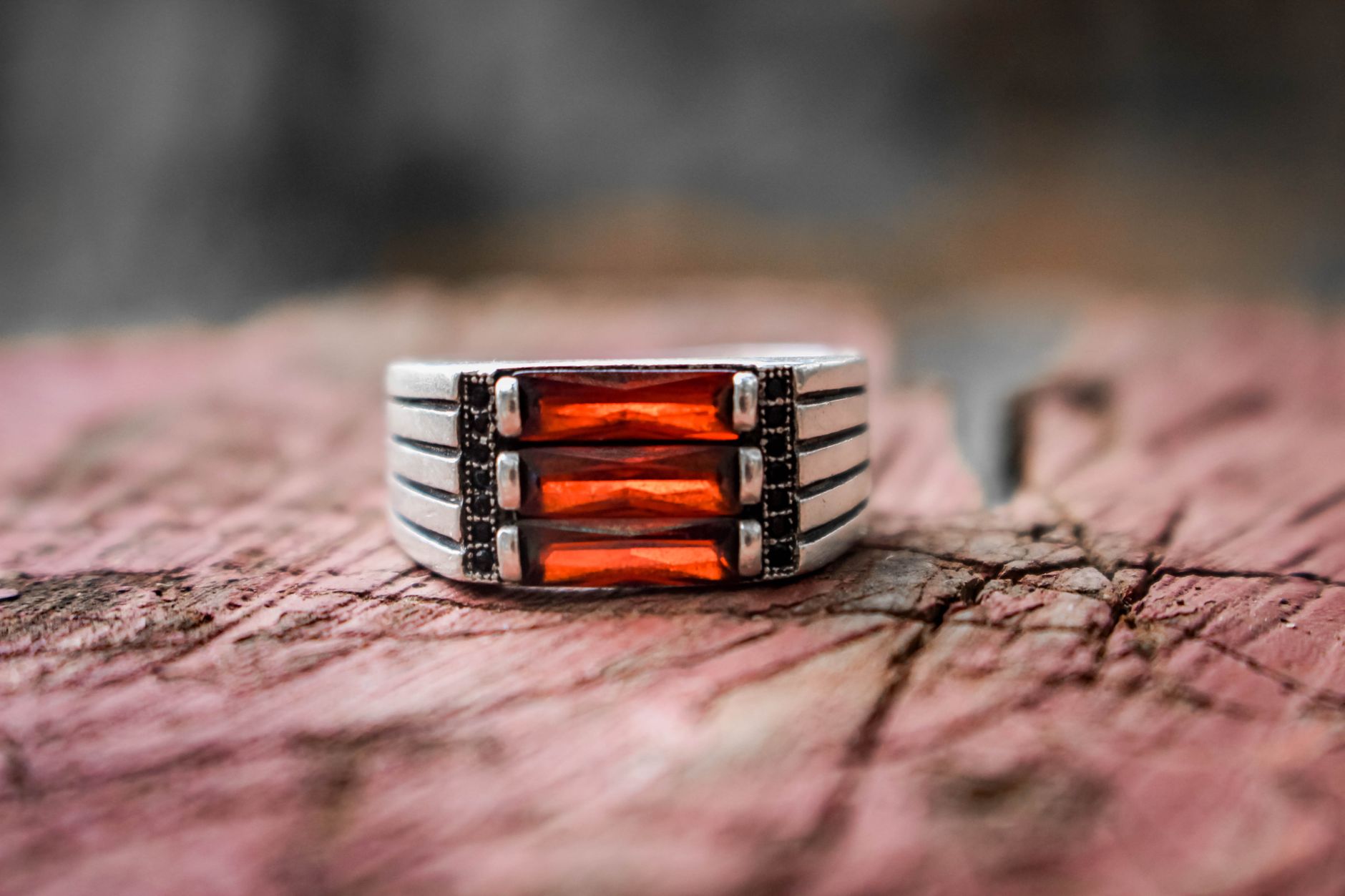

For centuries, gemstones have held a distinctive place in Indian traditions, where their beauty is often considered alongside their astrological significance. Among these stones, gomed stone has a particularly interesting identity. Also known as Hessonite Garnet, it is traditionally associated with Rahu in Vedic astrology and is valued for its warm honey, golden-brown, and reddish-brown shades. However, selecting a gemstone should involve more than simply admiring its colour. Understanding its origin, natural characteristics, quality factors and traditional astrological role can help buyers make a more informed decision.
What Is Gomed Stone?
Gomed is the traditional Indian name for Hessonite Garnet, a variety of grossular garnet known for its warm, earthy appearance. It commonly occurs in honey, amber, cinnamon, golden-brown, and reddish-brown shades. Its beauty depends on factors such as colour, transparency, clarity and internal characteristics.
Natural inclusions are common and do not necessarily indicate poor quality. In fact, certain inclusions can help identify a natural gemstone. The term Hessonite comes from an ancient Greek word referring to its comparatively lower hardness than some other garnets. Despite this characteristic, Gomed has gained lasting importance in jewellery, Indian traditions and Vedic astrology.
Where Does Gomed Come From?
Natural Hessonite Garnet occurs in several parts of the world. Sri Lanka has historically been recognised as an important source of fine Hessonite, while deposits are also found in countries such as India, Tanzania and Madagascar.
The origin of a gemstone can influence its colour, clarity, appearance and market value. However, geographical origin alone does not automatically make one stone superior to another. A buyer should consider the actual characteristics of the individual gemstone rather than relying only on its stated origin.
For this reason, professional identification and appropriate certification can be useful when purchasing a valuable gemstone. A certificate may provide information about whether the stone is natural, its variety and relevant treatment details, depending on the laboratory and report.
Key Qualities That Define a Good Gomed
Not every Hessonite Garnet has the same appearance or quality. Several characteristics deserve attention before purchasing one.
1. Colour
Colour is one of the first things people notice. Gomed commonly appears in honey-brown, golden-brown, orange-brown and reddish-brown tones. The preferred shade can vary according to personal taste and traditional astrological guidance. A balanced, attractive colour with good visual liveliness is generally more desirable than a stone that appears excessively dark, dull or muddy.
2. Clarity
Natural Gomed can contain inclusions because gemstones form under geological conditions rather than in controlled environments. Some inclusions are expected, but excessive cloudiness or heavily fractured areas may affect appearance and durability. The aim should not necessarily be a completely flawless stone. Instead, look for a gemstone with acceptable clarity, good transparency and an appealing overall appearance.
3. Cut
The cut determines how effectively the gemstone interacts with light. A well-cut Gomed can appear brighter and more attractive, while a poorly proportioned stone may look lifeless even if its colour and clarity are reasonable. For astrological jewellery, buyers may also have preferences regarding the shape and style of the gemstone. The final setting should protect the stone while allowing sufficient visibility.
4. Transparency and Lustre
A quality gemstone should have a pleasant visual character rather than appearing completely opaque or dull. Hessonite can show a characteristic internal appearance that contributes to its identity. When evaluating a stone, examine it under suitable lighting rather than judging it from a single photograph.
Why Is Gomed Associated With Rahu?
The astrological importance of Gomed comes from its traditional connection with Rahu, one of the nine celestial influences recognised in Vedic astrology. Rahu is considered a shadow planet and is traditionally linked with ambition, unconventional thinking, material pursuits, sudden developments, and intense desires.
Within this framework, Gomed is believed to help harmonise Rahu-related influences when it is suitable for the individual. Traditional practitioners may recommend it in situations where Rahu has a significant role in a birth chart.
It is important to understand that gemstone recommendations are traditionally based on an individual’s horoscope rather than a universal rule. A stone considered beneficial for one person may not necessarily be appropriate for another. Therefore, astrological consultation can be more meaningful than selecting a gemstone solely because of its popularity.
What Astrological Value Does Gomed Have?
In traditional Vedic astrology, Gomed is associated with qualities such as clarity of thought, confidence, focus, and the ability to handle complex circumstances. It is also sometimes connected with professional ambition, decision-making, and overcoming confusion. These are traditional astrological beliefs, not scientifically established effects. The value of the gemstone in this context comes from its cultural and spiritual significance.
For someone following Vedic astrology, the decision to wear Gomed may therefore involve several considerations, including the position of Rahu, the ascendant, planetary relationships and the broader birth chart. An experienced astrologer can assess these factors before recommending the gemstone.
How to Choose Gomed Wisely
Purchasing a gemstone should be approached with the same care given to any valuable item. A few practical checks can make the process easier:
- Check authenticity: Ask whether the gemstone is natural and whether suitable certification is available.
- Examine the colour: Look for a balanced, attractive tone rather than choosing solely by price.
- Assess transparency: Excessive cloudiness, fractures or dullness may affect visual quality.
- Understand treatments: Ask whether the stone has undergone any enhancement or treatment.
- Consider the cut: A well-executed cut can significantly improve the stone’s appearance.
- Seek astrological guidance: If the purpose is astrological, the recommendation should ideally be based on the individual’s birth chart.
These steps help separate informed gemstone buying from impulse purchasing.
Final Thoughts
Gomed occupies an intriguing space between natural gemstone beauty and the long-standing traditions of Vedic astrology. Its honey and brown colour range, geological origins and association with Rahu make it distinctive among traditional astrological gemstones. However, choosing one should never be reduced to colour or appearance alone. Natural quality, clarity, cut, authenticity and appropriate astrological guidance all deserve attention. For those exploring gomed stone in Bangalore, a careful approach can make the buying experience more transparent and help ensure that the selected gemstone matches both personal preferences and traditional requirements.
RudraTree brings a long-standing heritage in Rudraksha and gemstones, tracing its journey to 1923. The brand focuses on authenticity, quality, and spiritual traditions, with gemstones sourced through established channels and services that include astrology, pooja ceremonies, and homam. Its Bangalore presence gives seekers a dedicated destination for exploring traditional gemstones with informed guidance.
