
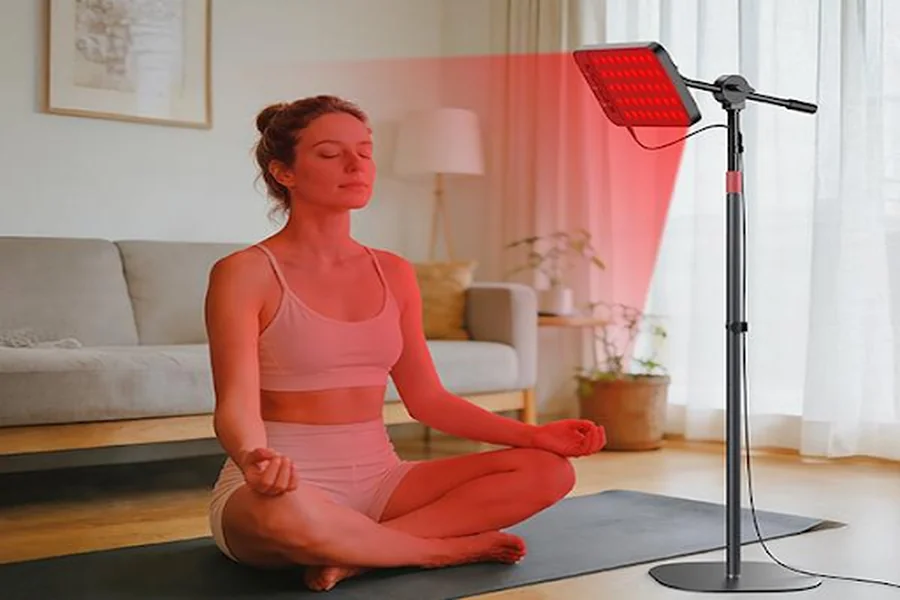

The healthcare industry is experiencing a fundamental shift. For decades, recovery technologies such as physical therapy equipment, electrical stimulation devices, and light therapy systems were primarily confined to hospitals, rehabilitation centers, and specialty clinics. Today, however, advances in technology, changing consumer expectations, and the rapid growth of home healthcare have created an entirely new market for professional-grade wellness devices that can be safely used at home.
Consumers are becoming more proactive about managing their health. Rather than waiting until discomfort becomes severe enough to require clinical intervention, many people are investing in products that help support daily recovery, improve comfort after exercise, and encourage healthy lifestyle habits. This broader movement toward preventive wellness has fueled demand for accessible technologies that are both practical and easy to integrate into everyday routines.
Among these innovations, red light therapy has emerged as one of the fastest-growing categories in home wellness. Once viewed as a niche technology used primarily by elite athletes or rehabilitation professionals, it is now gaining traction among a much wider audience seeking convenient, non-invasive recovery solutions. As the market matures, however, consumers and healthcare businesses alike are beginning to look beyond marketing claims and pay closer attention to the technical factors that actually influence device performance.
Home Recovery Is Becoming a Permanent Part of Healthcare
The growth of home healthcare is not simply a temporary trend—it reflects broader changes in how healthcare services are delivered.
Healthcare providers continue to face increasing demand, aging populations, workforce shortages, and rising treatment costs. At the same time, patients have become more comfortable managing portions of their care independently through digital health platforms, telemedicine, wearable devices, and home-based recovery equipment.
This shift has encouraged greater adoption of technologies designed to complement, rather than replace, professional care. Heating pads, compression therapy systems, TENS units, cold therapy devices, and red light therapy panels are increasingly being incorporated into daily recovery routines after exercise, physical therapy sessions, or long workdays.
For healthcare businesses, this represents an important opportunity. Rather than focusing exclusively on clinical environments, manufacturers are designing products specifically for consumers who expect professional-inspired performance without requiring professional supervision.
The result is a rapidly expanding market where usability, engineering quality, and consistent performance have become key purchasing factors.
Red Light Therapy Has Moved Beyond Early Adoption
Red light therapy has received growing attention over the past decade as researchers continue exploring its potential applications in wellness and recovery. Although scientific investigations are ongoing and intended uses vary depending on individual circumstances, awareness of the technology has increased significantly among healthcare professionals, fitness enthusiasts, and everyday consumers.
Part of this growth stems from changing attitudes toward non-invasive wellness solutions. Consumers increasingly prefer options that fit naturally into their daily routines and can be used alongside healthy habits such as exercise, stretching, adequate sleep, and balanced nutrition.
Unlike products that require complex operation or ongoing maintenance, modern red light therapy panels are designed to be straightforward. Many devices require little more than positioning the panel at the recommended distance and completing a short treatment session.
As manufacturing technology has improved, these systems have also become more compact, more energy-efficient, and considerably more affordable than earlier generations. This accessibility has opened the market to households that previously viewed red light therapy as prohibitively expensive or exclusively clinical.
Performance Matters More Than Marketing Claims
As competition within the red light therapy market increases, consumers are becoming more knowledgeable about how these devices work. Instead of choosing products based solely on appearance or the total number of LEDs, buyers are beginning to evaluate measurable performance characteristics.
One of the most important specifications is irradiance—the amount of light energy delivered to the treatment area over a given period of time.
Higher irradiance does not automatically make one device “better” than another, but it can influence treatment efficiency by allowing users to deliver comparable energy doses in shorter sessions when the device is used according to manufacturer guidance. For busy consumers, shorter treatment sessions often translate into greater consistency and better long-term adherence to wellness routines.
Equally important is wavelength selection. Many modern systems combine visible red light and near-infrared wavelengths to support different depths of tissue exposure. While consumers may not always understand the underlying science, they increasingly recognize that device specifications should be supported by transparent engineering rather than exaggerated marketing language.
Healthcare businesses are responding by placing greater emphasis on measurable product quality, published specifications, manufacturing consistency, and safety certifications instead of relying exclusively on promotional messaging.
Consumer Expectations Continue to Rise
Today’s wellness consumers approach recovery technology differently than they did even five years ago.
Before making a purchase, many compare technical specifications, read independent reviews, watch demonstration videos, and evaluate whether a product appears durable enough for long-term use.
This shift mirrors broader trends across the medical device and consumer electronics industries, where purchasing decisions are increasingly driven by transparency and trust.
Manufacturers that invest in thoughtful engineering, intuitive product design, and clear documentation are more likely to earn consumer confidence than those relying solely on bold advertising claims.
Healthcare distributors and retailers have also recognized this change. Rather than simply offering the lowest-priced option, many now prioritize products that balance affordability with consistent performance, dependable customer support, and recognized quality standards.
As competition continues to increase, these factors are expected to play an even greater role in purchasing decisions.
What Healthcare Businesses Should Consider When Evaluating Home Wellness Devices
For clinics, rehabilitation providers, retailers, and distributors entering the home wellness market, selecting appropriate products requires more than comparing prices.
Several considerations can help distinguish high-quality devices from products designed primarily around marketing appeal.
First, engineering consistency matters. Devices should deliver stable performance throughout repeated use rather than relying on specifications that are difficult to verify.
Second, usability is critical. Products intended for home environments should be simple enough for consumers to operate confidently without extensive technical knowledge.
Third, manufacturers should demonstrate a commitment to quality assurance through recognized safety certifications and clear operating guidance.
Finally, long-term customer experience should not be overlooked. Responsive customer support, comprehensive warranties, and educational resources often contribute just as much to product satisfaction as the hardware itself.
As consumers become more informed, healthcare businesses that recommend reliable, well-designed products are likely to strengthen both credibility and long-term customer relationships.
A New Generation of High-Irradiance Home Devices
Recent product development reflects these changing market expectations.
Rather than producing oversized systems intended exclusively for professional clinics, manufacturers are increasingly introducing compact, high-performance panels suitable for home environments.
One example is the Comfytemp 55W High-Irradiance Red Light Therapy Panel, which combines concentrated light output with a space-efficient design intended for everyday use. Instead of emphasizing unnecessary complexity, the product focuses on practical features that consumers value, including an adjustable stand, straightforward controls, and targeted treatment flexibility for different areas of the body.
More importantly, the device reflects a broader industry movement toward making professional-inspired wellness technology accessible to ordinary households without sacrificing product quality or usability.
As home recovery continues to gain momentum, products that successfully balance engineering performance, ease of use, and affordability are likely to play an increasingly important role in the wellness marketplace.
