

The days after a car accident are never simple. Between medical appointments, vehicle repairs, missed work, and insurance conversations, it can be difficult to know what information will matter later. Across Oxnard, Ventura, and Santa Barbara, collisions on busy roads can leave people facing significant physical, emotional, and financial challenges.
Many injured drivers turn to a Santa Barbara car accident lawyer during this stage because building a successful claim often requires more than simply showing that a crash occurred. A strong legal case depends on gathering the right evidence, understanding how fault is proven, and presenting a clear picture of how the accident has affected every part of a person's life.
Quick Action Protects Proof
Time matters after impact because road marks fade, vehicles get repaired, and witnesses forget small but useful details. Early help from a car accident lawyer can preserve photographs, traffic video, dispatch logs, repair data, and police notes before gaps appear. Fast guidance also helps injured drivers avoid statements that insurers later recast and keeps medical care consistent from the first examination onward.
Scene Evidence Tells the Story
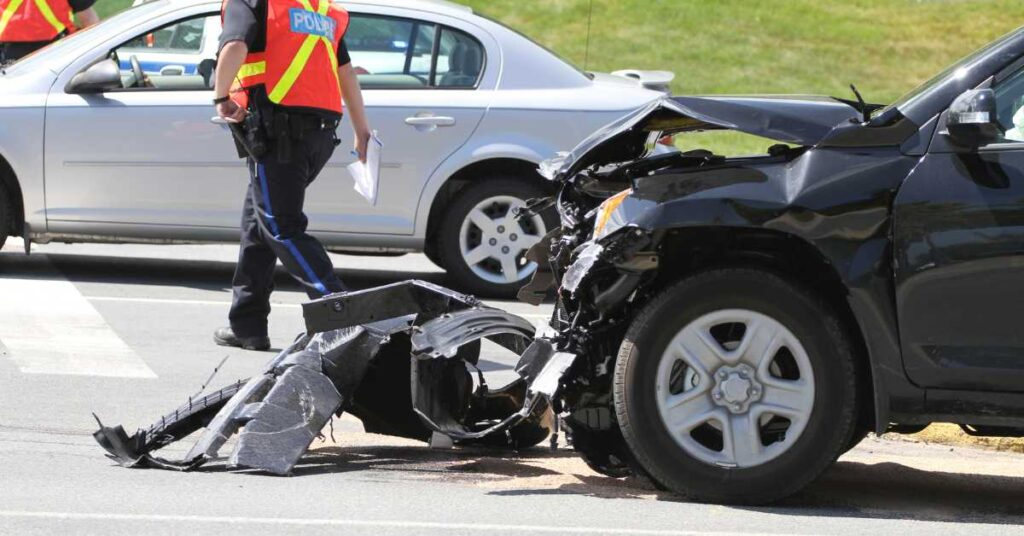
The collision site often gives the first reliable account of what happened. Lawyers study gouge marks, broken glass, paint transfer, lane layout, signal timing, and weather conditions at the time of impact. Those details can show braking effort, travel path, and point of contact. Images captured minutes later may reveal heavy traffic, blocked sightlines, or wet pavement. Nearby camera footage can confirm movement far better than memory.
Medical Records Link Injury to Impact
Physical symptoms need clinical support before an insurer will treat them as crash-related. Attorneys collect emergency charts, imaging reports, physician findings, therapy notes, medication history, and referrals. Each record helps tie the force of impact to soft-tissue injury, disc irritation, concussion signs, or joint restriction. Care timing also matters. Large treatment gaps give adjusters room to argue that pain came from another source, rather than the wreck.
Witness Accounts Add Independent Support
People who witnessed the accident can strengthen a claim because they have less personal stake in the outcome. Lawyers speak with passengers, nearby workers, pedestrians, and responding officers while memories remain fresh. A short statement taken early may carry more weight than a hesitant account months later. Counsel also checks each version against photos and vehicle damage. When those pieces align, the claim becomes harder to dismiss.
Lawyers Test the Other Side's Claims
Insurance carriers rarely accept a loss figure at face value. Their file may point to prior back pain, delayed treatment, social media images, or shared fault. Lawyers review those pressure points before serious negotiations begin. That preparation matters because weak answers can shrink value fast. With records organized early, counsel can focus on diagnosis, functional loss, and the driver whose conduct set the injury process in motion.
Damages Need Careful Calculation
A sound case must show both legal fault and the full cost of bodily harm. Lawyers assess present expenses and future needs through billing records, work history, and medical opinions.
More Than Medical Bills
Recovery may include emergency care, follow-up visits, physical therapy, prescription costs, lost income, reduced earning capacity, vehicle damage, and pain that interrupts daily function. In severe cases, attorneys may use physicians, rehabilitation planners, or economists to explain future surgery, household help, work limits, or long-term medication. Without that foundation, an offer may reflect only early invoices and ignore chronic symptoms, scar care, or permanent loss of movement.
Experts Can Clarify Hard Questions
Some crashes raise technical issues that ordinary records cannot fully explain. Lawyers may work with reconstruction professionals, neurologists, orthopedic physicians, or vocational specialists. Their opinions can address force transfer, reaction time, disc injury, mild brain trauma, or the reason a driver can no longer perform prior job duties. Expert testimony also helps a jury follow medical details without confusion. A clear explanation often changes how disputed harm is valued.
Negotiation Works Best With Trial Readiness
Settlement talks carry more force when the defence sees a file built for court. Lawyers who prepare each matter for trial usually gather cleaner records, sharper testimony, and stronger support for damages. Demand packages backed by treatment history, witness statements, and expert opinion are harder to discount. If negotiations stall, prepared counsel can file suit, question defence witnesses, challenge weak opinions, and present a steady account before a judge or jury.
A Strong Foundation Matters for Fair Recovery
Strong car accident claims are built, piece by piece, through prompt investigation, consistent treatment records, careful damage review, and pressure on weak defence arguments. Lawyers help injured drivers turn scattered details into a medical and legal narrative grounded in proof. That work leaves insurers with less room to minimize pain, wage loss, or future care costs. When the evidence is complete, the injured person stands in a far better position to seek fair recovery.
