
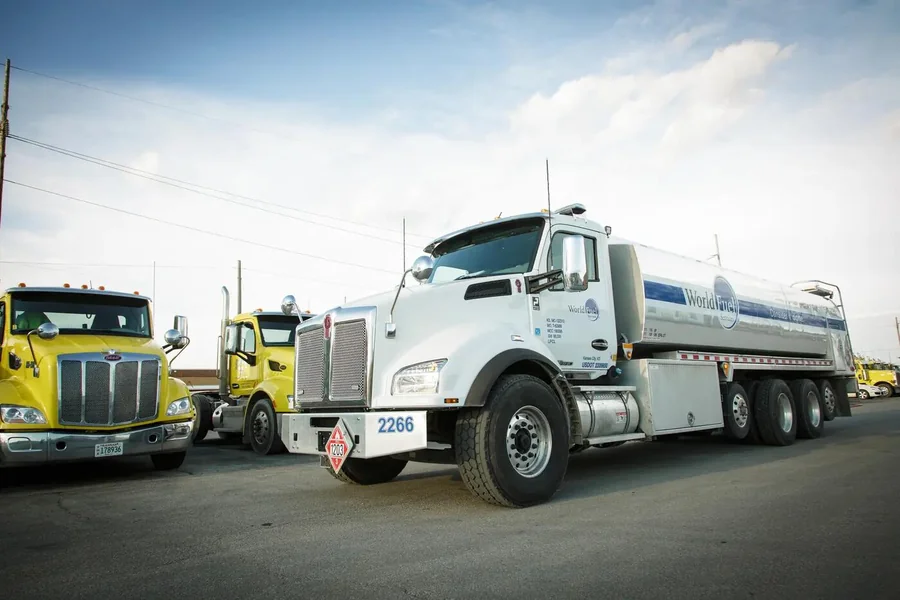

Initiatives around fuel management are key to ensuring that fleets are productive, efficient, and on time. Often, drivers need to park their trucks or vans along routes or at the work location to refuel, adding time. Instead, mobile services can provide fuel to vehicles in their parking lots, which is more efficient. Fleet Fuel Management is becoming a more popular approach as companies continue to adapt to reduce downtime, increase operational efficiency, and improve fleet fuel management.
Mobile refueling services eliminate the need for special fueling trips, so vehicles can be fueled up on the first day of each week, and drivers can concentrate on business. The service can increase service productivity and visibility into fuel usage, which can be very beneficial for many service fleets, small and large, or commercial organisations. Whether it’s about fuel efficiency or resource optimization, mobile refueling is emerging as an indispensable tool for companies that want to use resources to the best of their ability without exceeding their budgets.
What is A Mobile Refueling Service and How Does It Work?
Mobile refueling services bring fuel to a vehicle at the business, job site, or fleet yard. A fuel provider sends out trucks designed to refuel parked vehicles (usually when the vehicles are not in operation) instead of sending drivers to gas stations.
The process aims to streamline and reduce disruption. Fuel deliveries are usually recorded electronically to enable businesses to monitor fuel usage, maintain records, and ensure that vehicles are ready for service at the start of each working day.
The Advantages of Having Fuel Delivery On-Site for Fleet Operations
On-site fuel delivery frees drivers from deviating from their routes or schedules to get fuel. This can help businesses become more efficient and reduce the need to travel unnecessarily.
Other benefits can include:
- Regularly refueling schedules
- Better fleet utilization
- Reduced administrative workload
- Increased transparency of fuel consumption
The benefits enable fleet managers to concentrate on core business operations without supervising fuel operations.
How to Reduce Vehicle Downtime
Vehicle downtime can impact productivity, customer service, and profits. Vehicles are out of service anytime they go to a gas station.
To prevent this, mobile refueling is the answer, as it fuels vehicles while they are parked. With fuel available out of business hours, vehicles are often available for work during the day, helping businesses maximize their fleet availability.
How Does Mobile Refueling Help Increase Driver Productivity?
Drivers are most efficient when they can attend to their main job and not to secondary duties. Mobile refueling eliminates fueling stops, enabling drivers to start their shifts right away.
This increased efficiency can lead to improved route management, greater job completion rates, and more customer service. Over time, this can lead to improved overall fleet performance.
Fuel Management and Tracking Features of Mobile Refueling Programs
Many mobile service companies are employing advanced technology to track fuel deliveries and consumption. These systems also automatically track fuel levels, vehicle ID, and delivery information, generating accurate, easy-to-view records.
Common key tracking features include:
- Fuel usage reporting
- Vehicle-specific fueling data
- Automated transaction records
- Consumption trend analysis up to date on fuel costs
Detailed reporting provides businesses with insight into data for informed decision-making and ensures they are up to date on fuel costs.
Mobile Fuel Delivery Providers Follow Safety Standards
Mobile refueling comes with an element of safety. Professional providers adhere to the industry’s standards and procedures for the safe transportation, handling, and dispensing of fuel.
Fueling is done by trained and certified individuals using special equipment, and in accordance with strict safety guidelines. Such measures not only reduce the risk but also guarantee the safety and reliability of fuel supply services.
The Cost Savings from Mobile Refueling Services
But businesses don’t just think about fuel costs; labor, downtime, and administrative costs are all part of the picture. These indirect costs can be reduced by streamlining the fueling process through mobile refueling.
Savings can be achieved through:
- Lower driver man-hours
- Fewer route interruptions
- Lower administrative burdens
- Improved operational efficiency
A complete analysis of mobile refueling can provide financial benefits in addition to fuel cost.
Environmental Benefits of Scheduled Fuel Deliveries
Reducing unnecessary vehicle travel in conjunction with scheduled fuel deliveries can contribute to sustainability programs. This could reduce fuel use and emissions when drivers do not have to make separate fueling trips.
A variety of suppliers also attempt to shave delivery routes and employ contemporary equipment, which encourages efficient fuel handling. Companies can minimize their environmental footprint without compromising their performance.
Selecting The Right Mobile Fuel Provider
Choosing an appropriate provider depends on the needs and goals of your fleet. Prospective customers should consider factors such as service coverage, flexibility, reporting options, and experience with the industry when choosing a provider.
It is important to bear in mind that the following are contributing factors:
- The number of vehicles and fuel needs
- Service reliability
- Technology and reporting tools
- Ensuring safety and adherence to standards and practices
- Customer support availability
A provider that meets your operational needs can deliver greater value and efficiency in the long term.
Mobile Refueling is Becoming An Essential Part of Modern Fleets
Mobile refueling is becoming a more valuable solution as businesses look for ways to increase productivity and manage operating costs. On-site fueling allows vehicles to operate without extended downtime, provides easy fuel management, and supports efficient daily operation.
The requirements for efficiency, accountability, and sustainability are one of the challenges that modern fleets face. Mobile refueling meets these priorities by providing a convenient fueling solution that keeps vehicles moving and resources on revenue-generating tasks.
