
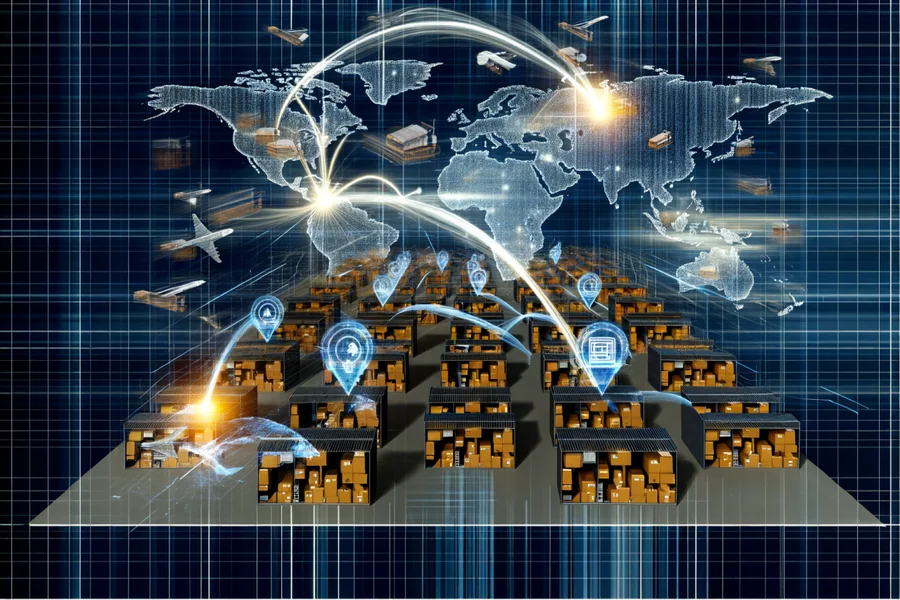
In the past decade, global eCommerce has undergone a radical transformation. Consumer expectations have shifted toward instant gratification, seamless shopping experiences, and rapid delivery, forcing retailers to rethink traditional supply chain models. At the heart of this evolution lies the concept of distributed fulfilment networks (DFNs)—an approach that decentralizes inventory storage and strategically positions goods closer to end customers. By enabling faster delivery, reducing costs, and improving operational efficiency, DFNs have become a key driver of eCommerce growth worldwide.
Understanding Distributed Fulfilment Networks
A distributed fulfilment network is a logistics model where inventory is not concentrated in a single warehouse but spread across multiple facilities. These facilities can include regional warehouses, third-party logistics (3PL) partners, local stores, or even micro-fulfilment centers embedded within urban areas. The main objective of DFNs is to optimize order fulfillment by reducing the distance between inventory and the customer, thereby minimizing shipping times and costs.
Unlike traditional centralized models, where goods are shipped from one or two major warehouses, distributed networks allow businesses to balance supply and demand dynamically. When a customer places an order, the system selects the fulfillment location based on proximity, stock availability, and cost efficiency. This strategy not only improves delivery speed but also enhances resilience against disruptions such as port congestion, weather events, or global supply chain bottlenecks.
Enhancing Customer Experience
The impact of DFNs on customer experience is profound. In today’s eCommerce landscape, consumers have become accustomed to same-day or next-day delivery, with giants like Amazon setting high expectations for speed and reliability. By distributing inventory closer to urban centers and high-demand regions, retailers can meet these expectations consistently.
Faster delivery leads to higher customer satisfaction and increased loyalty. Additionally, DFNs enable flexible fulfillment options, including buy-online-pickup-in-store (BOPIS), curbside pickup, and locker-based deliveries. Retailers also leverage e-commerce fulfillment services to efficiently manage these distributed networks, ensuring that orders are processed accurately and shipped promptly. These conveniences not only enhance the shopping experience but also encourage repeat purchases and brand trust.
Reducing Operational Costs
While distributed networks may seem costlier due to multiple storage locations, they often lead to significant cost efficiencies in practice. By strategically positioning inventory closer to demand hubs, shipping distances are reduced, which lowers transportation costs. Shorter delivery routes also mean reduced fuel consumption, lower carbon emissions, and more sustainable logistics operations—an increasingly important factor for eco-conscious consumers.
Moreover, DFNs help mitigate the risk of overstocking or stockouts. With centralized warehouses, predicting regional demand can be challenging, often resulting in excess inventory in one location and shortages in another. A distributed system, powered by data analytics and artificial intelligence, allows retailers to allocate stock dynamically based on real-time demand patterns. This reduces holding costs, minimizes waste, and improves overall supply chain efficiency.
Facilitating Global Expansion
Global eCommerce growth requires businesses to overcome geographical barriers, regulatory complexities, and logistical challenges. DFNs provide a scalable solution for international expansion by enabling companies to establish fulfillment hubs in key regions without the need for a massive centralized infrastructure.
For example, an eCommerce company entering the European market can leverage local warehouses and 3PL partners across multiple countries to serve customers efficiently. This approach reduces cross-border shipping times and avoids excessive customs delays, providing a competitive advantage in markets where fast delivery is a differentiator.
Additionally, DFNs support localized inventory strategies. Retailers can stock region-specific products closer to the target audience, allowing for customized offerings that resonate with local preferences. This level of localization enhances market penetration and brand relevance in diverse regions.
Technology as an Enabler
The effectiveness of distributed fulfilment networks relies heavily on advanced technology. Warehouse management systems (WMS), order management systems (OMS), and artificial intelligence-driven demand forecasting are essential to orchestrate inventory across multiple locations seamlessly.
Real-time visibility into stock levels, coupled with predictive analytics, allows retailers to make informed decisions on replenishment, routing, and resource allocation. Automated inventory allocation ensures that orders are fulfilled from the optimal location, balancing speed, cost, and availability. Emerging technologies like robotics and autonomous vehicles further enhance the efficiency of distributed networks, enabling rapid, scalable, and accurate fulfillment operations.
Resilience in Supply Chains
Recent disruptions, including the COVID-19 pandemic and global trade tensions, have highlighted vulnerabilities in traditional centralized supply chains. DFNs inherently offer greater resilience by diversifying storage and distribution points. If one facility faces operational challenges, others can absorb the demand, preventing delays and revenue loss.
Moreover, distributed networks facilitate risk management through redundancy. Retailers can maintain buffer stock across multiple nodes, ensuring continuity of service during unforeseen disruptions. This adaptability is particularly valuable in global eCommerce, where supply chain interruptions can significantly impact customer trust and market share.
Challenges and Considerations
Despite their benefits, implementing a distributed fulfillment network is not without challenges. Managing multiple locations increases operational complexity, requiring sophisticated technology, skilled personnel, and robust logistics partnerships. Costs related to warehousing, inventory management, and transportation must be carefully balanced against the efficiency gains.
Additionally, compliance with local regulations, tax codes, and customs requirements adds complexity for international networks. Retailers must maintain a clear understanding of regional legal frameworks to avoid penalties and delays.
However, these challenges can be mitigated with careful planning, investment in technology, and strategic partnerships with logistics providers. Companies that master the intricacies of DFNs gain a competitive edge in both speed and market reach.
Conclusion
Distributed fulfilment networks are no longer a luxury but a necessity for businesses aiming to thrive in the global eCommerce arena. By decentralizing inventory, optimizing delivery routes, and leveraging advanced technology, DFNs enable faster shipping, reduced costs, enhanced customer experiences, and resilient supply chains.
As eCommerce continues to grow at an unprecedented pace, distributed networks will play an increasingly critical role in connecting businesses with consumers worldwide. Retailers that embrace this model are not only better equipped to meet modern consumer expectations but also positioned to expand globally with agility, efficiency, and strategic foresight. The future of eCommerce is inherently distributed, and the businesses that adapt accordingly will lead the next wave of global retail innovation.
