
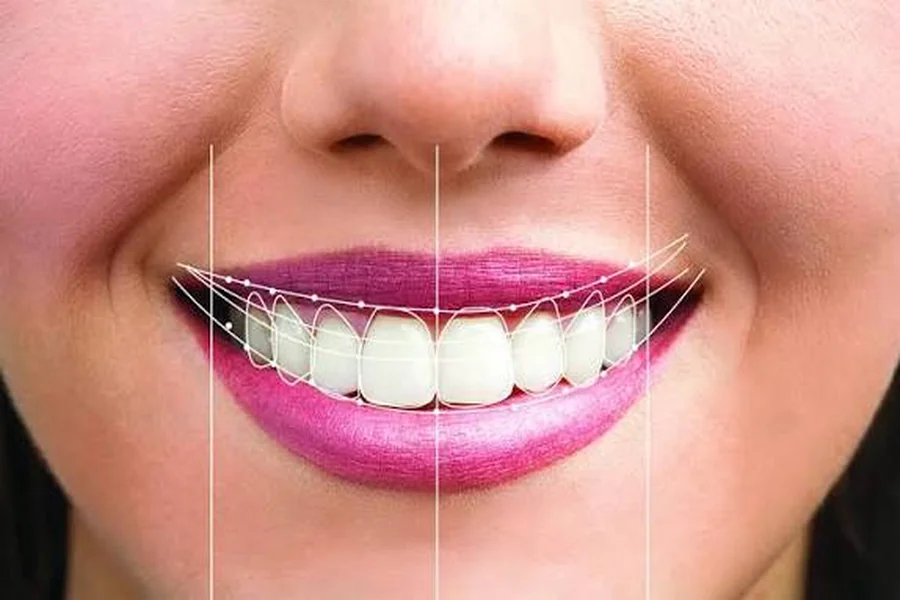

Having all your teeth replaced can bring up a question that’s hard to answer from a treatment plan: Will my new smile still look like me? Some people worry the teeth will be too white or too straight. Others simply don’t want to look in the mirror and see a smile that feels unfamiliar.
For someone exploring full mouth dental implants in Miami, a big part of the conversation is how the replacement teeth will look and feel. A full-arch restoration uses dental implants in the jawbone to support a fixed set of upper or lower teeth. Their size and position affect the smile, the support of the lips, and how the teeth meet when you bite. Without natural teeth to use as a guide, dentists can draw on the shape of the face, old photos, and the patient’s preferences.
From there, the design takes shape through a series of small, practical decisions.
Old Photos Can Still Tell a Story
A clear photograph may show whether someone’s front teeth were wide or narrow, how they followed the curve of the smile, and which details made that smile familiar. Even a casual vacation picture can be useful if the teeth are visible.
Previous dentures can help, too. Their tooth arrangement may reveal what a person has grown comfortable with, although years of wear or an imperfect fit can make them a poor model for a new restoration. Old dental records or models, when available, offer another source of information.
None of these references needs to be perfect. A blurry photo cannot supply exact measurements, and a person may have had several different smiles over the years.
The conversation matters as much as the pictures. Someone might remember liking the slight gap between their front teeth, while another person may have always wanted a more even smile. Those preferences give the dentist something personal to work with before choosing the actual tooth shapes.
Photos are a starting point. The face a person has today provides the next set of clues.
Let the Face Set the Proportions
Teeth sit within a face, and their position changes how a smile looks. Dentists look at the lips, the line of the smile, and the relationship between the upper and lower jaws when planning a full set of replacement teeth.
For example, the upper front teeth usually show differently when someone is speaking than when they give a big smile for a photograph. Watching a patient talk or smile naturally can tell the dentist more than a single still image.
Lip support is another consideration. The position of the replacement teeth and the shape of the restoration can affect how the lips rest, especially after years without natural teeth. The dentist has to consider the available bone and gum tissue as well as the person’s appearance.
There is also the question of how much tooth should show. Front teeth placed too far forward may look prominent, while teeth set too far back may appear less visible. The right arrangement depends on the patient’s facial features and the type of restoration being planned.
A dentist may take photographs, examine the bite, and use measurements or digital records to guide these decisions. The aim is to develop proportions that work for that particular person.
Once the position is taking shape, it’s time to think about the individual teeth.
Choosing a Look That Feels Familiar
Two sets of replacement teeth can have the same number of teeth and still look noticeably different. Shape, size, shade, and the way the teeth sit next to each other all influence the finished appearance.
A patient may prefer a brighter, more even smile than the one they remember. Someone else may want the new teeth to resemble their old smile, including features that made it distinctive.
A few of the details the dentist may discuss are:
- Shape: Front teeth can appear more rounded, square, or gently tapered.
- Size: The width and length of each tooth need to work with the neighboring teeth and the space available.
- Shade: The color should suit the patient’s preferences and the overall restoration.
- Arrangement: Small differences in the position of the teeth can change the character of a smile.
These choices also have practical limits. The teeth need enough room for the restoration to be made properly, and their position must work with the gums and the planned implant support.
After settling on an appearance, the next question is whether the teeth will feel and function right in everyday life.
What Happens When You Speak or Chew?
A set of teeth can look good in a photograph and still need adjustments once the patient starts talking. The front teeth help shape certain speech sounds, and small changes in their position can affect how the tongue and lips move.
Dentists may ask a patient to say a few words or make sounds such as “f” and “s” while checking a trial restoration. Those sounds can provide clues about the length and position of the front teeth.
Chewing is part of the design as well. The upper and lower teeth need to meet in a way that suits the patient’s jaw movements and the planned implant-supported restoration. An uneven bite may create uncomfortable pressure or put extra stress on parts of the prosthesis.
These checks help balance the way the teeth look with the way they work. Patients may need time to adjust to a new full-arch restoration, and any ongoing difficulty with speech or chewing should be discussed with the dental team.
Before the final teeth are made, there may be an opportunity to test some of those choices.
A Chance to See the Design in Person
Depending on the treatment, the dentist may use a digital preview, a model, a trial set of teeth, or a temporary restoration to assess the design. Each offers a different way to look at tooth position, appearance, and function before the final prosthesis is completed.
A patient might notice that the front teeth look longer than expected, or that a particular shape feels unfamiliar. The dentist can consider that feedback alongside what is possible for the planned restoration.
Some adjustments are straightforward at an early stage, while others become more limited once implant positions or final components have been established. That is one reason the intended teeth are considered during planning, before surgery where possible.
Temporary teeth can also provide useful information. How a person smiles, speaks, and brings their teeth together may help the dental team decide whether refinements are needed before moving to the final restoration.
It’s worth asking what parts of the design can still be changed and at which appointment those decisions need to be made. The answer will depend on the system being used and the patient’s treatment plan.
The finished smile grows out of all these observations, rather than one photograph or one set of measurements.
A Smile That Still Feels Like Yours
Losing natural teeth can make an old smile feel difficult to picture. Photographs and previous dental work may help bring back a few familiar details, while the person’s face and preferences help guide the rest.
There is room for both memory and change in the process. Some people want their replacement teeth to look much as they did before; others see the chance to choose something different.
Even when the original teeth are gone, the new smile can be designed with the person who will wear it firmly in mind.
