
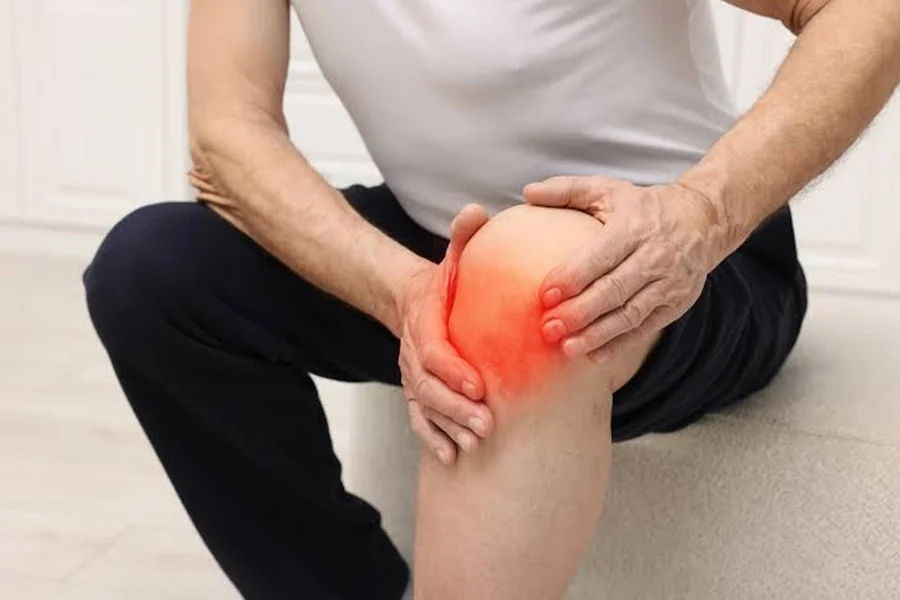

A Baker’s cyst forms when extra fluid builds up behind the knee, which causes swelling and a feeling of pressure. Everyday movements can get harder, especially when that pressure rises during the day. Knowing what causes the cyst helps people choose the right care. A proper assessment and steady attention to symptoms can improve mobility. The right bakers cyst treatment helps people move better and get relief over time.
Recognising Common Symptoms
A Baker’s cyst forms when excess joint fluid collects in a small sac behind the knee. The swelling can cause tightness or pressure that you notice when you move. Some people feel only mild discomfort. Others find it hard to bend or straighten the leg. How bad it feels usually depends on how much fluid has built up and what is going on inside the joint.
- Visible swelling behind the knee after physical activity.
- Tightness that gets worse when you bend or straighten the leg.
- Pressure around the area during normal movement.
- Less flexibility during routine tasks.
- Tenderness after standing for a long time.
Identifying Underlying Causes
Fluid usually builds up when something irritates the joint, and it produces more fluid than normal. Cartilage damage or inflammation can trigger this. Old injuries can also affect how fluid moves around the joint. Finding the real cause lets healthcare professionals treat the problem itself, not just the swelling.
Several conditions can lead to a cyst forming. These include:
- Joint inflammation that increases fluid production.
- Cartilage changes that affect how the joint moves.
- Past injuries that leave ongoing irritation inside the joint.
- Age-related changes that reduce flexibility in nearby structures.
- Repeated strain that adds pressure during everyday activities.
Knowing which of these factors applies helps build the right care plan. Treating the original problem also lowers the chance that the swelling comes back.
Medical Assessment And Diagnosis
A proper assessment shows how large the swelling is and what may be causing it. A healthcare professional will usually ask about your symptoms first and then examine the knee. They may check how well it bends and moves and go over your medical history. If the first examination doesn’t give a clear answer, imaging can provide more detail.
Managing Discomfort Through Care
Daily care plays a big part in easing pressure and keeping movement comfortable. Resting from activities that make the pain worse gives irritated tissue time to settle. A cold pack wrapped in a cloth, used for short periods, can help with swelling. Positioning the leg carefully also takes unnecessary pressure off the area.
Helpful daily adjustments include:
- Avoid long periods of standing when the swelling is more noticeable.
- Raise the leg when you’re resting.
- Use a wrapped cold pack for short periods.
- Cut back on activities that put pressure on the joint.
- Get professional advice before going back to demanding physical tasks.
These steps can help manage symptoms while the underlying condition is being treated. Consistency matters, because a sudden jump in activity can bring the discomfort back.
Supporting Movement Through Exercises
Gentle movement keeps the knee flexible and supports the muscles around it. Exercises still need to suit the person’s condition and current symptoms. A qualified professional can suggest activities that keep the joint moving without putting extra pressure on it.
Stretching and strengthening can support recovery, with bakers cyst treatment sometimes involving guided exercises to improve knee movement. Slow, steady progress lets the surrounding muscles support normal movement better.
A routine might include controlled leg movements and light strengthening work. Moving slowly helps you stay in control. If an exercise increases the swelling or discomfort, stop and check with a qualified professional before continuing.
Preventing Repeated Fluid Accumulation
Avoiding unnecessary strain can help manage the conditions that cause fluid to keep building up. Staying active at a sensible level keeps you moving without overloading the joint. Increasing exercise intensity gradually also helps with movement control.
Good habits support joint health. Keeping a healthy body weight can reduce pressure on the knee during daily movement. Taking breaks during demanding activities gives muscles and tissue time to recover. Following professional advice also helps you notice changes that need more attention.
Improving Daily Physical Function
Getting back to normal activities takes gradual progress and the right support. Start with movements you can manage before increasing activity. Good posture and controlled movement reduce pressure during everyday tasks. Comfortable footwear and small changes to your activities can also make moving easier through the day.
Persistent swelling needs proper medical attention, not just repeated self-care. A good recovery plan should deal with the underlying cause while helping you improve gradually. Following professional advice and adjusting daily activities can make everyday movement easier. Regular check-ups also catch changes early. Together, these steps lead to lasting progress and better joint function.
