
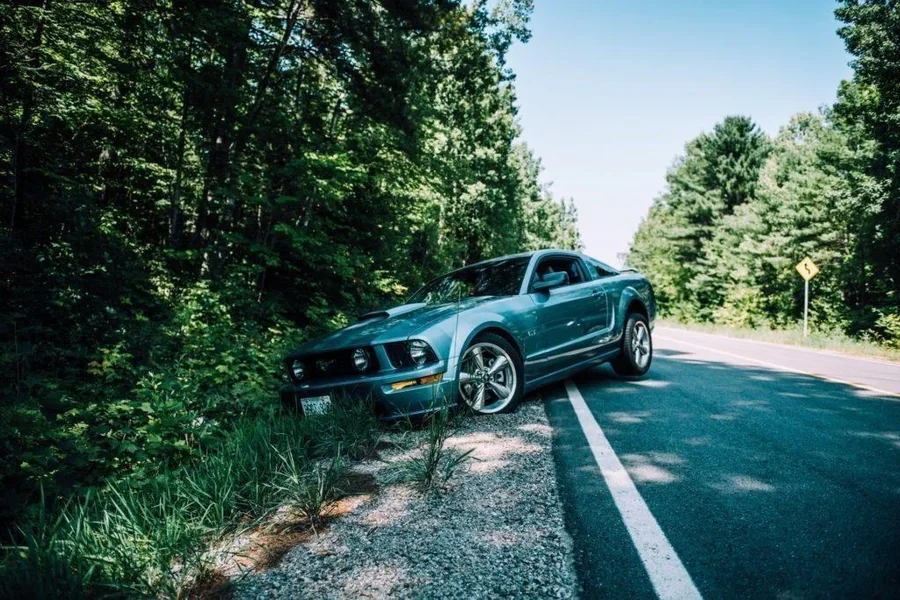

A sudden lane change can turn ordinary traffic into a serious collision within seconds. A driver may move into an occupied lane, cut across traffic to reach an exit, or force another motorist to brake or swerve unexpectedly. These incidents can result in sideswipe collisions, loss of vehicle control, or secondary impacts involving vehicles that were not part of the initial maneuver.
Drivers are expected to check surrounding traffic and make sure a lane change can be completed safely. For someone injured in a San Bernardino car accident, determining what happened before the collision may require reviewing vehicle positions, traffic speed, visibility, and driver behavior. The investigation often focuses on whether the driver gave enough warning and had a reasonable opportunity to avoid the crash.
1. A Turn Signal Does Not Automatically Make a Lane Change Safe
Many drivers assume that activating a turn signal gives them permission to enter another lane. However, signaling only communicates an intended movement. Drivers must still make sure there is enough space and that the maneuver will not create an unreasonable danger for nearby vehicles.
A driver may signal before merging but still move into a lane occupied by another motorist. In that situation, the important questions include whether the driver checked the adjacent lane, recognized the approaching vehicle, and allowed sufficient space before moving. Dashcam footage, witness accounts, and vehicle damage can help establish whether the maneuver was reasonably safe.
2. Blind-Spot Errors Can Leave Drivers With Little Time to React
A vehicle’s mirrors do not provide a complete view of the surrounding roadway. Another car or motorcycle may occupy an area that is difficult to see without an additional visual check. This becomes particularly dangerous when vehicles travel at different speeds or when a driver begins moving sideways without confirming that the adjacent lane is clear.
A National Highway Traffic Safety Administration study examined 135 lane-change events, including three crashes and 132 near-crashes. Among certain near-crash events where drivers moved into an adjacent vehicle’s path, researchers found that 17% of drivers changing lanes to the left and 36% changing lanes to the right had not checked relevant mirrors or windows during the final eight seconds before beginning the maneuver. These findings illustrate how inadequate scanning can contribute to dangerous lane changes, although the study does not establish how frequently this behavior occurs among all drivers.
3. Last-Second Exit Decisions Can Create Unexpected Hazards
Some lane-change collisions occur when drivers realize that an exit, turn, or connecting roadway is approaching. Instead of continuing to a safer location, they may cross one or more lanes abruptly. Nearby motorists may have to brake sharply or change direction to avoid the vehicle.
This situation can be particularly dangerous on congested freeways, where surrounding drivers may have limited room to respond. A driver cutting across traffic toward an exit may enter another vehicle’s path even when the neighboring motorist is traveling normally within their lane. Investigators may review how many lanes were crossed, whether traffic was slowing, and whether the maneuver was completed with reasonable care.
4. Differences in Vehicle Speed Can Increase Collision Severity
Lane-change crashes can occur even without speeding. A big speed difference between nearby vehicles can be dangerous. For instance, a slower vehicle entering a faster lane may not give the driver behind enough time to stop. Likewise, a faster vehicle moving into slower traffic can cause sudden braking.
Speed is crucial because kinetic energy increases with the square of a vehicle’s speed. A vehicle traveling twice as fast has four times the kinetic energy if its weight remains constant. While factors like impact direction and vehicle design affect injury severity, this shows why lane-change mistakes can lead to serious injuries at high speeds.
5. Vehicle Damage Can Reveal the Direction of the Impact
A sideswipe collision can leave physical evidence about the direction and timing of vehicle movement. Scraping along doors, damaged side mirrors, paint transfer, and contact near the front or rear quarter panels may help investigators understand how the vehicles came together. These details can be especially useful when both drivers claim they remained in their original lanes.
For example, damage beginning near the front side of one vehicle may suggest a different contact sequence than damage concentrated near the rear. Investigators may compare these patterns with roadway markings, debris, final vehicle positions, and available video recordings. No single damage pattern automatically proves fault, but several consistent findings can help reconstruct the collision.
6. Driver-Assistance Technology May Help Prevent Some Lane-Change Crashes
Modern vehicles may include blind-spot monitoring, lane-departure warnings, and other safety systems designed to alert drivers to nearby hazards. These technologies can improve awareness, but they do not eliminate the need to check mirrors, observe traffic, and make careful driving decisions.
Research by the Insurance Institute for Highway Safety found that blind-spot detection was associated with a 14% reduction in lane-change crashes and a 23% reduction in lane-change crashes involving injuries. These findings suggest that driver-assistance technology can reduce certain collision risks, although the effectiveness of an individual system depends on vehicle design and operating conditions. The presence of a safety feature does not automatically establish whether it could have prevented a particular accident.
7. Evidence Can Help Determine Which Driver Entered the Other’s Lane
Lane-change accidents often result in different accounts from drivers. One may claim the other vehicle moved unexpectedly, while the other insists there was enough space to merge. Because both vehicles can still be moving during the crash, determining responsibility can require more than a police report or driver statements.
Important evidence may include:
- Dashcam footage showing the lane-change maneuver
- Traffic-camera or nearby business surveillance recordings
- Photographs of roadway markings and traffic conditions
- Vehicle damage and paint-transfer patterns
- Witness accounts describing each vehicle’s movement
- Vehicle event data, when available and relevant
- Evidence of turn-signal use
- Roadway debris and final vehicle positions
- Emergency-response and collision reports
These materials can help show if the lane change was smooth or sudden, if another vehicle was in the lane, and if either driver tried to avoid the crash. They may also reveal if the first impact caused another crash.
The Moments Before a Lane Change Can Determine Responsibility
A serious lane-change accident often develops from a short sequence of decisions. A driver may fail to notice a vehicle in a blind spot, misjudge the available space, or make an unexpected maneuver to reach an exit. The resulting collision may involve direct vehicle contact or a secondary crash after another motorist attempts to avoid the danger.
Preserving photographs, video footage, witness information, collision reports, and vehicle damage records can help explain how the incident developed. These details may show where the vehicles were positioned, how they moved before impact, and whether the collision could have been avoided through reasonable care. A complete review can help establish which actions contributed to the accident and how responsibility should be evaluated.
