
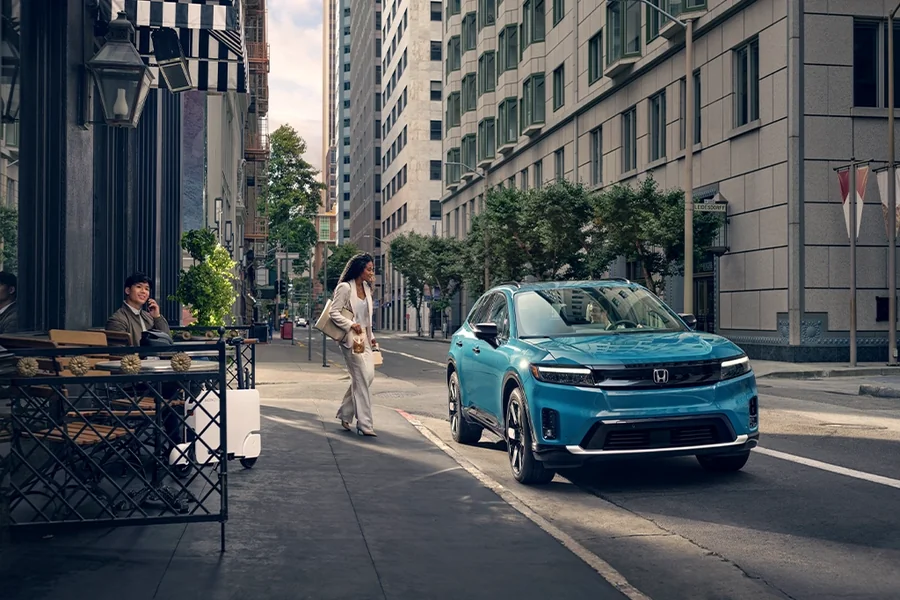

Finding the right vehicle in Brandon, Florida starts with an honest look at how you drive, park, travel, and carry passengers. Browsing new cars Nissan can be a useful first step, but the best choice is not automatically the largest SUV, the quickest sedan, or the vehicle with the longest equipment list.
Brandon drivers may balance weekday commutes, school drop-offs, errands around town, rain-heavy summer weather, Tampa-area traffic, and weekend trips across Florida. A vehicle that feels convenient during those routines is more likely to remain a good fit long after the excitement of buying it has passed.
Why Daily Needs Should Come First
Before comparing trims or colors, write down what the vehicle must do each week. Consider commute distance, the number of regular passengers, car-seat needs, sports gear, pets, grocery runs, parking conditions, and whether you actually tow or haul. A compact SUV may serve a busy Brandon household better than a larger truck if the truck bed and towing capacity would rarely be used.
It also helps to separate essential requirements from nice-to-have features. For example, easy rear-seat access may be essential for a family, while a panoramic roof may be optional. This keeps the comparison focused and prevents an attractive feature from distracting from day-to-day practicality.
When comparing new cars for sale Tampa, bring that list with you. It establishes a consistent standard for every vehicle you consider, rather than relying solely on a brief first impression.
Set a Realistic Budget
The purchase price is only one part of affordability. Build a monthly and annual budget that includes the payment, insurance, fuel or charging, registration, tires, routine maintenance, and potential repairs after warranty coverage ends. Optional packages, accessories, taxes, fees, and financing can also substantially affect the final cost.
A lower payment is not always a lower-cost deal. A longer loan term can reduce the payment while increasing the total interest paid. Compare financing offers by annual percentage rate, loan length, down payment, monthly payment, and total amount paid over the full term.
Choose the Right Vehicle Type
Sedans and Hatchbacks
Sedans are often a practical choice for commuting, paved-road comfort, and easier parking. Hatchbacks retain a relatively small footprint while adding a more flexible cargo opening for bags, strollers, and everyday gear.
SUVs, Trucks, and Minivans
Compact SUVs can offer a higher seating position and useful cargo space without the size of a full-size model. Midsize and large SUVs may suit shoppers who regularly need additional passenger room, cargo capacity, or towing capability. Pickup trucks are most sensible when an open bed, payload capacity, or recurring towing is a real need. Minivans remain especially functional for larger families because sliding doors and flexible seating can simplify loading passengers.
Compare Gas, Hybrid, Plug-In Hybrid, and Electric Powertrains
Gasoline vehicles provide familiar refueling and broad flexibility for longer trips. Hybrids can reduce fuel use without requiring charging, which may appeal to drivers who spend considerable time in stop-and-go traffic. Plug-in hybrids can operate on electricity for some trips while retaining a gasoline engine for longer drives.
Electric vehicles require a closer look at home charging access, public charging along regular routes, expected range, and charging time. The Department of Energy notes that its fuel-cost comparison tools can compare specific routes and vehicle models, helping shoppers estimate how their own driving patterns may affect operating costs.
Check Safety Features and Ratings
Safety should include more than a feature list. Review crash protection, visibility, braking feel, child-seat access, headlights, and driver-assistance systems. Equipment can vary by trim level, so confirm that the exact vehicle includes the features you expect.
Use the NHTSA vehicle safety ratings tool to review crash-test ratings and recall information. When comparing frontal crash ratings, keep vehicle class and weight in mind, since NHTSA advises comparing those results among vehicles of similar weight.
- Automatic emergency braking
- Blind-spot monitoring
- Rear cross-traffic alert
- Lane-keeping assistance
- Adaptive cruise control
- Rear-seat reminders and surround-view cameras
Measure Space, Comfort, and Daily Usability
Measure the garage, driveway, and usual parking spaces before choosing a larger vehicle. During a visit, sit in every seating position your household will use. Test rear-seat legroom, car-seat placement, cargo access, liftgate height, storage areas, and cupholders. Make sure the driver can reach key controls without diverting attention from the road.
Comfort and visibility deserve as much attention as touchscreen size. Supportive seats, a clear outward view, logical climate controls, and manageable vehicle dimensions can make a meaningful difference in everyday driving.
Consider Long-Term Ownership Costs
Compare fuel or electricity use, tire sizes, service intervals, warranty coverage, insurance quotes, expected annual mileage, and anticipated ownership length. Larger wheels, specialized tires, and complex equipment can raise replacement costs.
Estimated annual cost = fuel or charging + insurance + maintenance + registration + loan interest. This simple calculation does not capture every expense, but it encourages a more complete comparison than focusing on the monthly payment alone.
Prepare for a Useful Test Drive
- Drive on roads similar to the ones you use most often.
- Test acceleration, braking, steering, visibility, and ride comfort.
- Practice parking, reversing, merging, and tight turns.
- Listen for excessive wind noise, tire noise, rattles, or vibrations.
- Try the infotainment, climate controls, cameras, and driver-assistance settings.
- Bring car seats, family members, or equipment when practical.
Avoid Common Vehicle Shopping Mistakes
- Choosing only by the lowest advertised price.
- Prioritizing horsepower over comfort, visibility, and usability.
- Buying more size or capability than real life requires.
- Assuming every trim includes the same safety equipment.
- Skipping comparisons among gasoline, hybrid, plug-in hybrid, and electric options.
- Rushing because a particular color or configuration is currently available.
Final Comparison Checklist
- Does it fit your regular passenger count and cargo needs?
- Can it handle legitimate towing or hauling requirements?
- Does the powertrain suit your normal routine?
- Are the desired safety features included on the chosen trim?
- Does it fit both the monthly and yearly budget?
- Will it fit your garage, driveway, and parking spaces?
- Did you compare at least two or three similar vehicles?
Conclusion
Choosing the right vehicle in Brandon starts with understanding how you drive, what you need to carry, and what you can comfortably afford. Compare vehicle types, powertrains, safety equipment, passenger space, and everyday usability before focusing on styling or optional features. Include insurance, fuel or charging, maintenance, and financing in your calculations to get a clearer picture of long-term ownership costs. By evaluating these factors and taking time for a thorough test drive, you can find a vehicle at Nissan of Brandon that fits your daily routine and future needs.
