
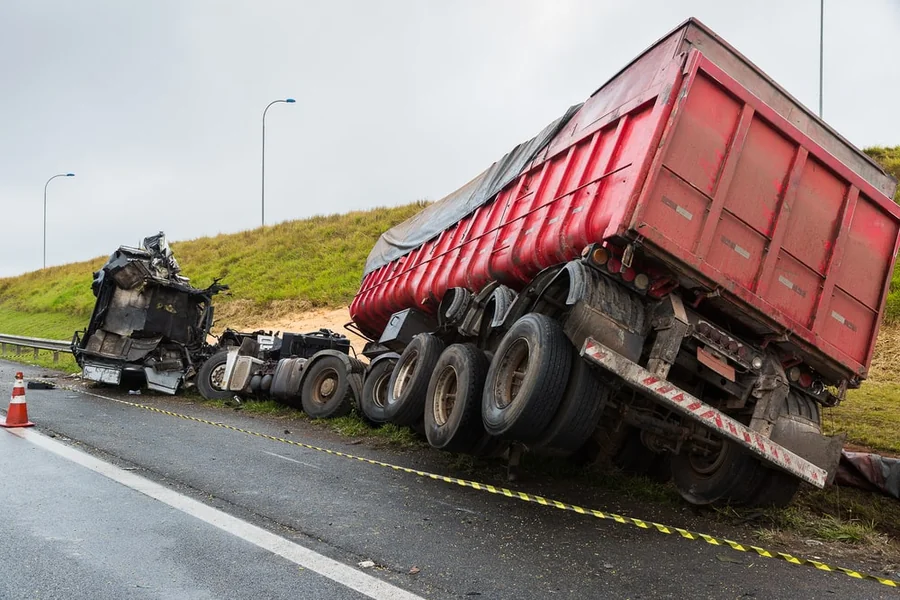

North Carolina’s highways carry heavy commercial traffic between growing cities, rural communities, and major interstate corridors, so a serious truck collision can quickly raise questions that go beyond what happened at the point of impact. For an injured person, the concerns may be medical care, missed work, and mounting expenses, yet determining who should answer for those losses can involve several businesses and layers of responsibility. Trucking companies, contractors, insurers, and other parties may each hold information that helps clarify decisions made before the crash, especially when companies share responsibility.
Some of that material may be difficult for an injured person to obtain without legal help. Farmer & Morris North Carolina truck accident attorneys can help obtain relevant information, identify the parties involved in the collision, and determine what deserves closer scrutiny. This broader approach can give injured people a clearer picture of their legal options and the support needed to pursue compensation based on the circumstances surrounding the crash.
Why The Scene Is Only The Starting Point
Evidence at a crash site can change quickly. Skid marks fade, damaged vehicles move, and nearby surveillance footage can get overwritten. Investigators should collect photos, measurements, vehicle damage, road conditions, and witness statements before those details disappear.
The truck itself contains further evidence, including electronic control modules, onboard cameras, and crash data. Those systems can record speed, braking, steering inputs, or events shortly before impact. Investigators should compare that information with physical damage and witness accounts.
Records Can Reveal What The Scene Cannot
Driver records can show hours worked, trip activity, rest periods, and dispatch timing. Those records matter when fatigue or scheduling pressure becomes part of the liability analysis. Investigators can also review training records, licensing information, drug and alcohol testing records, and prior safety documentation when relevant.
Maintenance records can reveal inspection schedules, repair history, recurring defects, and missed service intervals. Cargo records matter when an improperly loaded or unsecured load contributed to the collision. Shipping documents and dispatch records can establish who controlled the truck, load, route, or delivery schedule. They can also show whether the trip followed the planned route and delivery instructions.
Insurance records provide another source of evidence during the claim investigation and damage review. Policies, claim notices, adjuster communications, and recorded statements can affect how the claim develops. A detailed review also tests whether separate documents tell the same story. Differences between logs, dispatch notes, repair records, and electronic data can identify facts that require closer examination.
Multiple Parties May Need To Be Examined
A truck accident case often involves more than the driver. Depending on the evidence, responsibility can involve the motor carrier, a maintenance provider, or a cargo loader. Another party connected to the vehicle’s operation can also face responsibility based on the evidence.
Investigators therefore need a timeline, not a narrow focus on one event. That timeline connects the driver’s actions, vehicle condition, cargo status, dispatch instructions, and roadway conditions before the collision.
Medical Evidence Connects The Crash To The Loss
A deeper investigation also tracks the injuries and their consequences. Medical records document diagnoses, treatment, recovery needs, and future care after the collision. Employment records can establish missed work and changes in earning ability after the crash.
Keeping those records organized gives the damages analysis a factual basis for documented losses. The same timeline that explains the collision can connect the event to medical treatment, property damage, lost income, and other documented losses.
Evidence Preservation Should Start Early
Truck operators, insurers, repair facilities, and other businesses often maintain records under conventional retention practices. Some materials can disappear before a formal dispute reaches court or a lawsuit begins. A preservation request can identify documents, electronic data, photographs, maintenance records, and other evidence that should remain available.
Witness information also becomes harder to recover as time passes after a collision. Preserve names, contact details, photographs, and contemporaneous notes while memories remain fresh. Early action gives investigators more reliable material for testing competing accounts of the crash.
Conclusion
A serious truck accident claim depends on evidence that often exists outside the crash scene. An early investigation can preserve vehicle data, records, witness accounts, and other information before it disappears or becomes harder to verify. The next practical step is to document the collision, preserve available records, and avoid unnecessary alterations to damaged vehicles or other evidence. A timely legal review can identify which records to request and which parties require closer examination.
