


A recession tends to bring retirement plans closer to the surface. Market swings can cause account values to shift quickly, and news reports can stir emotions that lead investors to make a change. Assets that used to seem like sure things may no longer appear reliable. Instead of reacting immediately, investors might consider the current economic climate as an opportunity to examine their retirement savings and see if their risk levels are appropriate.
Some investors consider adding gold held in a self-directed IRA. Physical gold may not replace other types of retirement investments, but it can offer an additional form of investment for those who want both paper and physical assets.
Identify portfolio weaknesses during downturns
During a recession, various investments can react in different ways. Stocks, bonds, cash savings, and the consumer economy can all behave differently during a recession. Diversification doesn’t prevent losses, but it can help reduce the consequences of relying on only one investment category.

Investors in a recessionary environment may evaluate:
- How dependent their retirement accounts are on stock performance
- If they own investments that generally react differently to inflation or currency risk
- If they would have adequate liquidity if their situation changed
- If their investments are suitable for their retirement timeline
Gold has traditionally been thought of as a physical commodity, which is not linked to the performance of a specific company. It may still be volatile, and even experience large declines, but its value isn’t dependent on profits, quarterly earnings, or a business’s ability to pay off loans. This is one reason why some people consider adding gold to their retirement accounts during a period of uncertainty regarding financial markets.
Understand what a Gold IRA contains
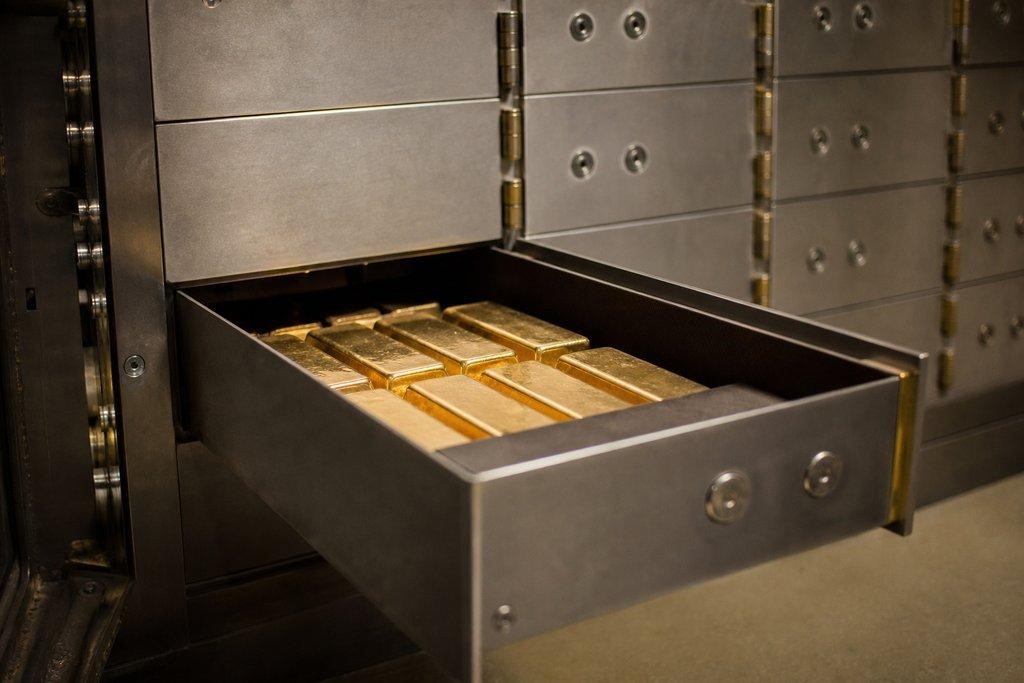
A gold IRA is a self-directed IRA designed to hold physical precious metals. Unlike collectibles that you purchase and keep at home, a gold IRA requires the assistance of a custodian and approved storage facilities. Understanding these requirements is an important consideration when choosing a well known gold IRA company. Only certain types of precious metals qualify, and the account must follow the same rules as other IRAs.
To set up a gold IRA, investors open a self-directed IRA, fund it with a contribution or rollover, select qualifying precious metals, and then arrange storage with a qualified depository. While the gold is in the IRA, the investor cannot take possession of the metal.
This type of account can be appealing to investors who want to own physical metals within a retirement account, though investors should be aware that there are additional requirements beyond a typical investment account, such as custodial fees, storage fees, and rules around withdrawals.
Resolve key questions before moving money
During a recession, alternative options can start to look better, particularly if regular investments are losing value. That’s why it’s helpful to step back and consider this decision from multiple perspectives. You might ask:
- Where would precious metals fit in your retirement portfolio?
- Are you moving money out of another account that is also doing a job?
- What are the set-up fees, annual administration fees, storage costs, and transaction fees?
- Which metals can go in the account, and what is the price for each metal?
- How do you sell or take a distribution from the account later on?

Gold IRA account documents
Investors should also know the difference between a direct rollover and a transfer. This is significant because moving money around in your retirement accounts improperly could trigger unexpected tax liability. It’s better to review the paperwork before funds move than to try to fix an issue after the fact.
Physical metals are salable, but they’re not the same as cash. There are potential dealer spreads, shipping and processing steps, and delays involved. A retirement account filled with gold isn’t the same thing as a cash reserve.
It’s advisable to ensure that you have enough cash available to cover your short-term financial needs and emergencies before investing in a precious metals account. That can reduce the chance that you’ll be forced to liquidate assets at an inopportune time.
Asking yourself to wait 24 hours before acting on an offer or advertisement is a good starting point. During that time, you can research fees and account details, compare other options, and determine whether this kind of investment fits your retirement plan. If markets continue to fluctuate during this period, how much of your nest egg are you really comfortable putting into a hard-to-sell asset?
As retirement nears, the investor may want to pay special attention to the required minimum distribution process. If the gold IRA is the account from which a distribution will be taken, there may be timing and cost implications in deciding to sell enough metal to generate cash rather than taking an in-kind distribution (where the metals will simply leave the IRA). For tax purposes, an in-kind distribution would be valued on the date that the metals leave the IRA. Investors might wish to know what choices exist regarding this process and how their custodian addresses them.
Avoid emotion-driven retirement choices
It’s normal to worry during a market downturn, but that anxiety can lead you to buy expensive assets just because they appear “safer” in the moment. Gold has its place in some portfolios, but it doesn’t pay dividends, and it doesn’t insulate you from all economic risk.
Rather, it’s best to consider the reasons you’re buying precious metals before you purchase. Is it to protect your portfolio from equity volatility, to diversify your holdings, or as a long-term holding? Having an answer can help keep your IRA from turning into a knee-jerk response to the news cycle.
A weak economy can shed light on whether your retirement plan is diversified, easy to understand, and suited to your long-term goals. Investing in physical precious metals might be suitable for some investors, but the mechanics of the account, the costs, and the role it plays in your overall investment mix need to receive as much scrutiny as the metal itself.
Get your fee schedule, account guidelines, and account statements before deciding which retirement account, if any, you want to roll over.
