


Choosing a portable heater involves more than checking its heat output. Fuel type, power requirements, safety features, and portability all affect how well it fits your needs. A big propane heater may suit large, open workspaces, while a self powered diesel heater offers another option for camping and off-grid travel.
Both heating systems serve different purposes. Understanding their operating methods can help you avoid buying equipment that does not match your space. It also helps you plan for fuel storage, ventilation, and regular maintenance.
Understand How a Self Powered Diesel Heater Works
A self powered diesel heater burns diesel fuel to generate heat. Its heating system transfers warmth through a heat exchanger while a fan distributes warm air into the surrounding space. Combustion gases leave through a separate exhaust system.
The self-generating feature makes this type of heater useful in places where continuous external electrical power is inconvenient. Some models use an initial power source during startup and then generate their own operating electricity. This design can reduce dependence on external wiring during use.
Compare Diesel and Propane Heating Systems
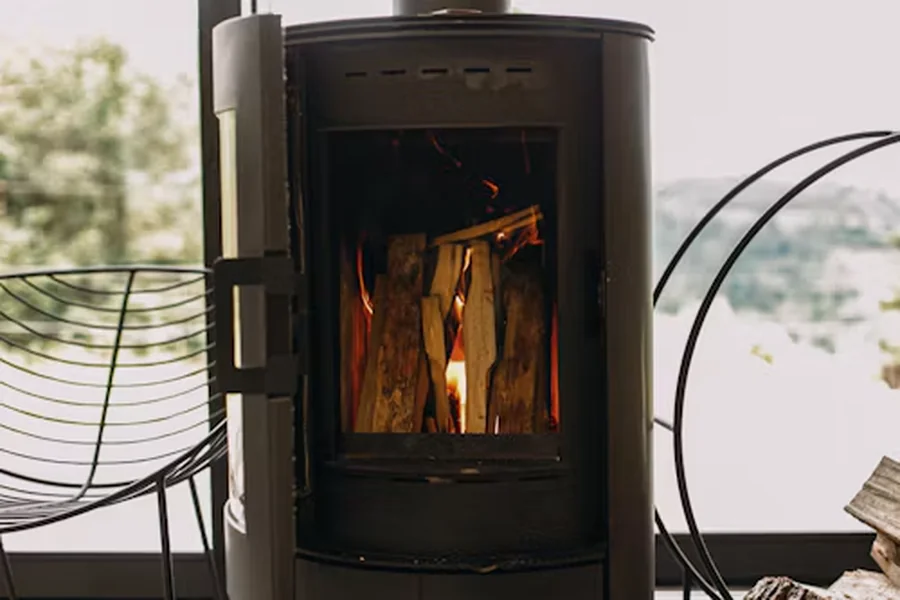
A big propane heater and a self powered diesel heater use different fuels and heating methods. Propane heaters are available in radiant and forced-air designs. Diesel air heaters typically use a combustion chamber and heat exchanger to circulate warm air.
Propane equipment can provide substantial heat for garages, workshops, construction sites, and other large spaces. A self powered diesel heater can be useful for campers, vehicles, and outdoor activities where controlled air heating is needed. The right choice depends on the environment, ventilation, fuel availability, and expected operating time.
Check the Heating Capacity Before Choosing
Heating capacity determines how much warmth a heater can deliver. However, a higher output does not automatically mean better performance in every situation. Insulation, outdoor temperatures, ceiling height, and air leakage all affect heating requirements.
Consider the size and layout of the space before selecting equipment. A compact camping shelter has different heating needs from a large workshop. Matching the output to the environment can help maintain a comfortable temperature without unnecessary fuel consumption.
Look at Fuel Consumption and Tank Capacity
Fuel consumption affects how often a heater needs refilling. Diesel models with adjustable heat settings can offer different fuel-use rates depending on their operating level. Tank capacity also influences how long a heater can operate between refills.
For example, a portable diesel heater with a 3.8-liter tank and a stated consumption range of 0.17 to 0.36 liters per hour has different expected operating times at different settings. Actual runtime can vary with temperature, operating conditions, and fuel use during startup. Always check the manufacturer’s specifications instead of relying on general estimates.
Consider the Benefits of a Big Propane Heater
A big propane heater can be useful when a large area needs substantial heat. Certain forced-air models distribute warm air across workshops, warehouses, and construction spaces. Other designs provide radiant heat for more localized warmth.
Before choosing a large propane unit, check its fuel requirements and operating environment. Some models require a separate propane cylinder and an electrical connection for the fan or ignition system. Others operate without electricity but still need suitable ventilation and careful supervision.
Explore the Features of Portable Diesel Heaters
Portable diesel heaters come with different controls, fuel capacities, and safety features. Some include remote controls, digital displays, adjustable heat levels, and built-in carrying handles. These details can make a difference when moving between campsites or using the heater in a vehicle.
A self powered diesel heater with USB output offers another useful feature. Certain models combine a 3.8-liter fuel tank, adjustable heating levels, and a built-in power supply for small devices. Other useful features to compare include remote control, an exhaust muffler, and a portable design.
Choose a Heater for Camping and Off-Grid Travel
Cold weather can make camping uncomfortable, especially when temperatures drop overnight. A portable heater can help maintain warmth inside a properly designed shelter or vehicle. However, the heating system must suit the shelter’s construction and ventilation arrangements.
A self powered diesel heater can be useful for extended outdoor activities because it reduces reliance on continuous external electrical power. Its fuel tank and adjustable output also give users some control over operation. Before taking one on a trip, check its weight, dimensions, fuel requirements, and compatibility with the intended setup.
Understand the Importance of Proper Ventilation
Ventilation is one of the most important considerations when using fuel-burning heating equipment. Diesel and propane combustion can produce carbon monoxide, a dangerous gas that cannot be seen or smelled. Poor exhaust arrangements can create serious risks, even when a heater appears to be working normally.
Use heaters according to their manuals and approved installation requirements. Keep exhaust outlets away from doors, windows, and air intakes. Install suitable carbon monoxide alarms wherever recommended, and never assume that opening a small window makes an unsuitable heater safe for indoor use.
Review Essential Safety Features
Safety features can help reduce certain operating risks. Depending on the model, these may include overheating protection, automatic shutdown systems, protective exhaust components, and secure fuel connections. Check which features are actually included instead of assuming that every portable heater has the same protection.
Some portable diesel heaters include over-temperature protection, an insulated exhaust sleeve, and a fuel cap designed to reduce leakage. These features are useful considerations when comparing equipment. They do not replace correct installation, regular inspection, or safe operating practices.
Check Noise Levels and Operating Comfort
Heater noise can affect sleep, conversations, and general comfort. Diesel heaters contain fans and fuel delivery components that produce operating sounds. Exhaust mufflers and sound insulation can help reduce some of this noise.
Some portable models list operating noise levels below 65 decibels. Actual perceived noise can depend on the installation surface, surroundings, and operating conditions. If the heater will be used near a sleeping area, consider both the fan noise and the location of the combustion unit.
Compare Portability and Power Requirements
Portability matters when equipment needs to move between different locations. A heater with integrated fuel storage and built-in controls may be easier to transport than a system that requires several separate components. However, weight and overall dimensions still affect how easily it can be handled.
Some self-generating diesel models weigh approximately 17 kilograms and measure around 435 by 270 by 315 millimeters. Their self-generating designs can reduce the need for continuous external wiring after the initial startup period. Compare these specifications with your available storage space and transport arrangements before making a decision.
Learn the Basic Maintenance Requirements
Regular maintenance helps keep heating equipment operating as intended. Fuel lines, connections, air inlets, and exhaust components need periodic inspection. Dirt, loose fittings, and damaged parts can interfere with normal operation.
Diesel heaters may also require attention to combustion deposits, particularly when operated frequently at low settings. Follow the manufacturer’s instructions for cleaning and servicing. Store fuel correctly, avoid using contaminated fuel, and address unusual smells, smoke, or repeated shutdowns before using the heater again.
Decide Which Heating System Fits Your Needs
The choice between a big propane heater and a self powered diesel heater depends on how and where you plan to use it. Propane models can serve large work areas that need substantial heat output. Portable diesel models offer features suited to mobile heating and outdoor activities.
Consider these practical differences before choosing:
- Fuel availability: Check which fuel is easier to store, transport, and obtain for your intended use.
- Heating requirements: Compare the required heat output with the space’s size and insulation.
- Power needs: Determine whether the heater requires an external electrical connection or supports self-generating operation.
- Portability: Consider the heater’s weight, dimensions, and fuel capacity.
- Safety: Review ventilation, exhaust arrangements, and the manufacturer’s operating instructions.
Taking time to compare these factors can help you select equipment that suits your actual heating requirements.
What to Check Before Your First Use
Reading the user manual before operating a new heater is an important first step. Confirm the correct fuel type, startup procedure, ventilation requirements, and shutdown process. Check that all supplied components are present and that the equipment has no visible damage.
For a self powered diesel heater, pay particular attention to its initial charging or preheating requirements. Make sure the exhaust system is correctly positioned and the fuel tank is properly secured. Test the controls and inspect the heater according to the manufacturer’s instructions before relying on it during a trip.
Frequently Asked Questions
1. How does a self powered diesel heater generate electricity?
Some models use a self-generating system that converts heat from combustion into electrical power. This can reduce the need for continuous external electrical connections after startup.
2. Is a big propane heater suitable for large workshops?
Certain high-output propane heaters can heat large workshops and other open spaces. Check the required heat output, fuel supply, ventilation, and indoor-use rating before selecting one.
3. Can a self powered diesel heater be used while camping?
Yes, some portable diesel heaters are designed for camping and outdoor use. Follow the manufacturer’s installation instructions and ensure combustion exhaust cannot enter an occupied shelter.
4. How much fuel does a portable diesel heater consume?
Fuel consumption depends on the model and its operating level. Some portable models specify a consumption range of 0.17 to 0.36 liters per hour.
5. What should I consider when comparing diesel and propane heaters?
Compare heat output, fuel availability, operating costs, power requirements, portability, and safety features. Your intended environment and heating needs should guide the final decision.
