

Motor vehicle collisions can affect older adults differently from younger crash victims. Aging does not mean that every senior will suffer a severe injury or face a difficult recovery, but changes in bone strength, physical reserve, medication use, and existing health conditions can influence what happens after a collision. NHTSA notes that older occupants are more likely to sustain serious injury because increased fragility makes the body less able to tolerate crash forces.
For someone working with a lawyer for injured car accident victims, understanding these differences can help create a more complete recovery record. Medical records may need to distinguish new injuries from preexisting conditions, document changes in mobility and independence, and account for treatment complicated by medications or chronic illness. Six challenges can be especially relevant.
1. Fractures and Other Injuries May Require Longer Recovery
Older adults can be more physically vulnerable to crash forces even when a collision would produce less serious injuries in a younger person. NHTSA explains that age-related fragility increases the likelihood of serious injury among older occupants. Research indexed by the National Library of Medicine also describes age-related biological changes that can affect fracture healing, including changes in inflammatory response, vascularization, and bone-forming cells.
A fracture involving the hip, pelvis, ribs, wrist, or another body part can therefore create more than an immediate treatment problem. Recovery may involve surgery, restricted weight-bearing, rehabilitation, follow-up imaging, and assistance with daily tasks.
Treatment records can show whether healing progressed normally, whether complications developed, and how long restrictions continued. A claim assessment based only on the first hospital bill may miss months of later care.
2. Head Injuries Can Be Harder to Recognize
Traumatic brain injuries deserve particular attention in older crash victims. The CDC reports that motor vehicle crashes are among the leading causes of TBI-related hospitalizations in older adults and that TBI symptoms can sometimes be missed because they overlap with other conditions common in later life.
Memory problems, dizziness, fatigue, confusion, balance changes, or sleep problems may initially be attributed to age or an existing condition. That makes comparison with the person’s pre-crash functioning especially useful.
Medication use can add another concern. The CDC warns that blood-thinning medications can increase the risk of bleeding in the brain after a head injury. Emergency records, medication lists, imaging, family observations, and neurological follow-up may help show how the person’s condition changed after the collision.
3. Existing Medications Can Complicate Treatment
Many older adults take several medications for chronic health conditions. The National Institute on Aging explains that adults age 65 and older tend to use more medicines than other age groups and that combining medications can increase the risk of side effects and drug interactions.
A crash can add pain medication, muscle relaxants, anti-inflammatory drugs, or medications associated with surgery and rehabilitation. Providers may need to consider how new prescriptions interact with medicines the patient already uses.
Medication changes can also create practical challenges. Drowsiness, dizziness, or confusion may interfere with rehabilitation or increase fall risk. Maintaining accurate medication lists and documenting changes after the accident can help show why recovery required additional monitoring.
4. Preexisting Conditions Can Affect the Rehabilitation Plan
An older crash victim may have arthritis, osteoporosis, heart disease, diabetes, prior joint replacements, or other health conditions before the collision. Those conditions do not establish what the crash caused, but they can affect treatment choices and the pace of recovery.
The CDC notes that recovery from traumatic brain injury depends partly on a person’s health before the injury. Older adults in better pre-injury health may recover differently from people already managing several conditions.
This makes baseline evidence useful. Earlier medical records can show prior mobility, pain levels, and treatment. Post-crash records can then identify new symptoms, worsening limitations, or changes in assistance required. The key question is often how the person’s functioning changed after the collision.
5. A Period of Inactivity Can Threaten Independence
Hospitalization or restricted activity can have broader consequences for a senior who was independent before the crash. Time spent in bed, reduced walking, or fear of another injury can make it harder to regain strength and confidence.
The CDC explains that injuries in older adults can make it difficult to move around, complete everyday activities, or live independently. It also notes that fear of falling can cause people to reduce activity, which may lead to further weakness.
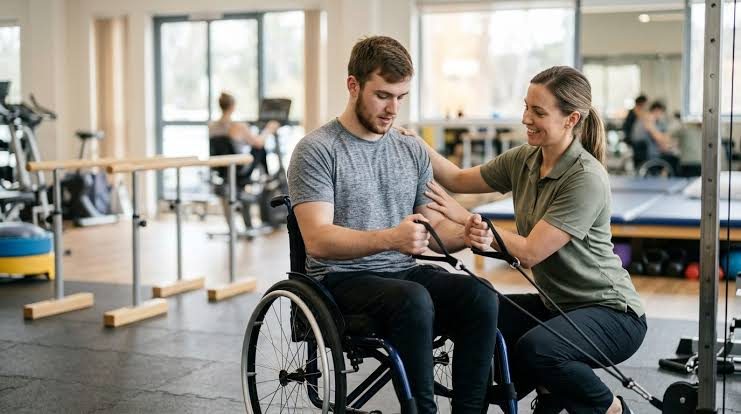
Rehabilitation may therefore focus on more than healing one injured body part. Physical therapy can address balance, strength, transfers, and walking. Occupational therapy may evaluate dressing, bathing, meal preparation, or home safety.
Useful documentation can include:
- Physical and occupational therapy notes
- Use of a walker, cane, or wheelchair
- Home-health records
- Changes in driving or transportation
- Assistance with personal care or household tasks
- Home modifications
6. Returning to Driving and Community Life May Be More Difficult
A crash can temporarily or permanently change how an older adult travels. Injuries affecting vision, strength, neck movement, or cognition may make driving difficult even after hospital discharge.
NHTSA notes that driving cessation can affect mobility as well as physical and mental health for older adults. A person who previously drove to appointments, stores, social activities, or volunteer work may suddenly depend on family or transportation services.
The effect can extend beyond transportation costs. Reduced mobility can change social participation and independence. Records showing driving restrictions, adaptive equipment, transportation expenses, or family assistance can help document these changes.
Recovery Needs to Be Measured Against the Person’s Life Before the Crash
Age alone does not determine how a person will recover. Two senior crash victims with similar diagnoses may have very different outcomes depending on prior health, injury severity, medications, rehabilitation access, and independence.
A complete assessment looks at the person’s baseline before the collision and follows recovery over time. Hospital records, medication histories, rehabilitation notes, mobility assessments, and family observations can show whether the crash caused new limitations or made existing problems harder to manage.
For senior victims, the most significant losses may not appear on the first medical bill. A prolonged healing period, difficulty recognizing a brain injury, medication complications, disrupted rehabilitation, lost independence, and transportation changes can all shape the long-term impact of a collision.
