
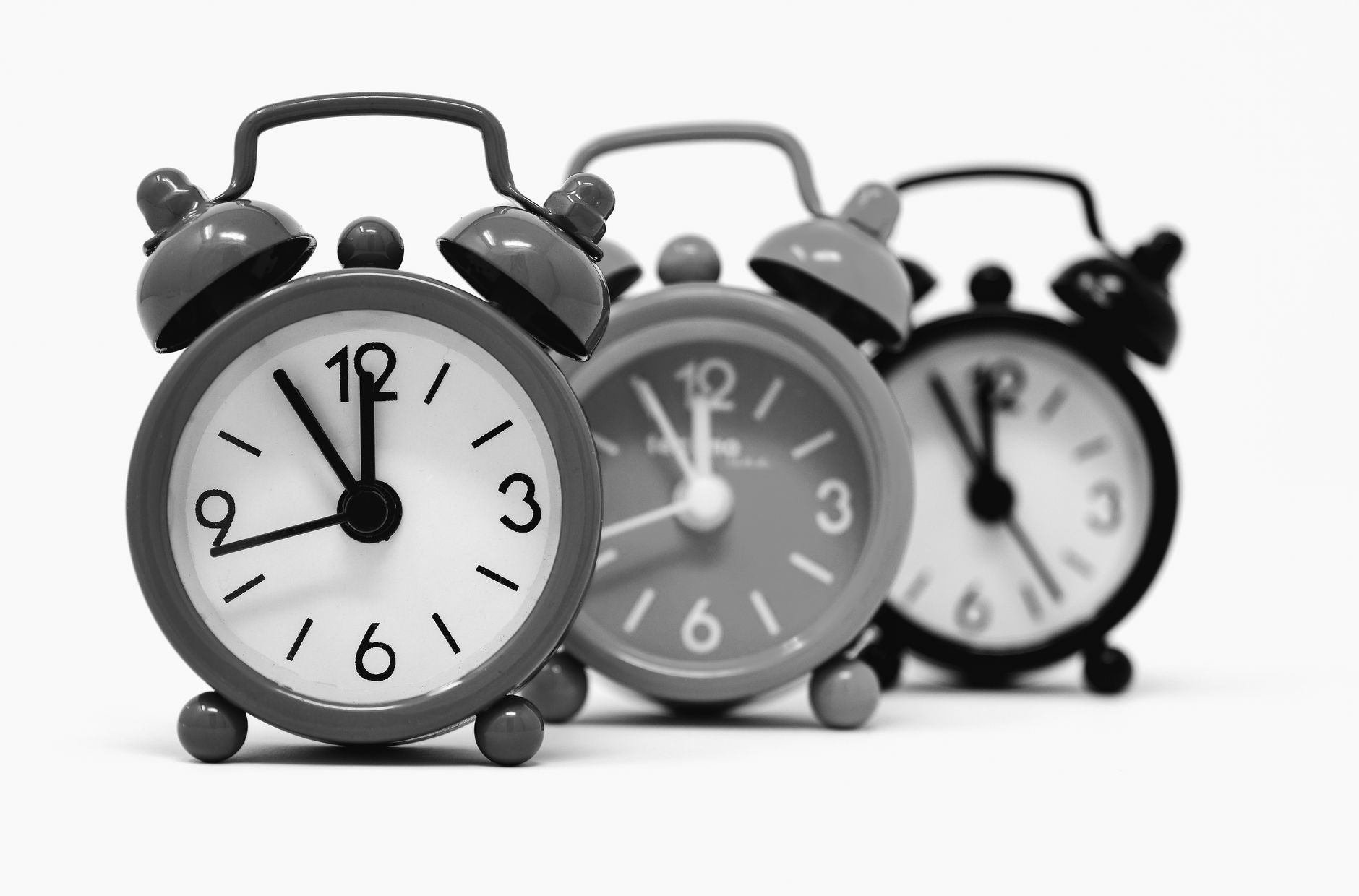

Some gifts are chosen for the celebration itself; others become part of the recipient’s daily surroundings. A personalized clock can do both. It marks an occasion through an inscription while serving a practical purpose on a desk, shelf, mantel, or wall. The combination works best when the design suits the person as closely as the message suits the milestone.
A thoughtful choice begins with how the recipient lives and what the occasion means. Retirement, an anniversary, a professional achievement, and a wedding each call for a different emphasis. By considering placement, readability, engraving, and everyday operation together, a giver can create a keepsake that feels personal without becoming impractical.
Connect the gift to the milestone
Start by describing what is being celebrated. A retirement gift might recognize guidance and sustained commitment. An anniversary gift may acknowledge a shared life, while a professional milestone might celebrate the completion of a demanding qualification or the opening of a new office.
The symbolism of time offers a useful starting point, but it does not need to dominate the inscription. Repeated references to “timeless memories” or “every second” can make a message sound interchangeable. A specific expression of gratitude often carries more meaning than a clever phrase.
Also consider who is giving the gift. A message from an entire department should represent the group comfortably, while one from a close friend can be more intimate. Establishing that voice early helps with both the inscription and the tone of the presentation.
Compare styles with a real setting in mind
Before choosing a design, picture where the clock will stand or hang. A compact desk model may suit a small work surface, while a wall clock requires an appropriate location and secure mounting. Someone who has recently retired may prefer a piece for home rather than an object styled around their former office.
For examples of different formats, the Engraved Clocks collection from Hit Trophy includes desk and wall options in a range of materials. Its variety can help clarify a visual preference, but the final choice should depend on the specifications of the individual model and the recipient’s space.
Measure the available area when possible. Check height, width, and depth for a standing clock, including the base. For a wall model, consider the wall area, viewing distance, and access needed to adjust the time or replace a battery. Product photographs alone may not make scale obvious.
Balance visual character with everyday readability
A clock should be easy to read wherever it is used. Look at the contrast between the hands, numerals, and face, along with the size of those elements. A decorative design can be attractive in a close-up photograph yet difficult to read from across a room.
Consider the room’s lighting as well. A reflective surface or transparent body may look different against a bright window, dark shelf, or patterned wall. When evaluating pictures, focus on the relationship between the dial and its background rather than the styling of the photographed room.
The recipient’s taste should lead the material choice. A warm wood appearance may complement traditional furniture, while glass, acrylic, or metal can suit other interiors. Check the actual construction and finish rather than making assumptions from a product name. Familiar materials can appear very different depending on their shape and treatment.
Check operation before making the final selection
The mechanism is part of the gift’s everyday experience. Confirm how the clock is powered, what battery or power supply it requires, and whether those items are included. Check how the time is set and whether the controls remain accessible after the clock is placed in its intended location.
Sound can also matter. A recipient may welcome a ticking clock in one room and dislike it in a bedroom or quiet office. If quiet operation is important, ask about the specific mechanism. Do not assume that a decorative clock is silent or that all models from one collection operate the same way.
For additional features, decide whether the person will actually use them. Chimes, alarms, or other functions may add interest but can also require more adjustment. A straightforward clock can be a better fit for someone who values simplicity. Confirm instructions and care information before giving it away.
Personalize the inscription without overcrowding it
The engraving should identify the occasion and communicate a feeling in a small amount of space. Begin with the recipient’s name or names, then add a concise message and the relevant milestone information. The available engraving area determines how much text can remain comfortably readable.
A retirement message could say, “With gratitude for your generosity, guidance, and years of dedicated service.” An anniversary message might emphasize the life a couple has built together. These are starting points for tone; the final wording should reflect the actual relationship and use verified personal details.
Keep permanent wording understandable outside the ceremony. An unexplained abbreviation, private workplace reference, or temporary job title may become less clear over time. If a longer story belongs with the gift, include a separate note. That lets the engraving remain simple while preserving the more personal context.
Give names and layout a careful review
Check every name directly with a reliable source, including accents, initials, and preferred spelling. Confirm how a couple wants their names presented and whether a professional title is appropriate. A personalized object is not the place to guess about those details.
Review the layout at a realistic size. A large preview can hide small lettering, tight spacing, or awkward breaks between words. Make sure the inscription does not compete visually with the clock face or decorative elements. If the message needs to shrink excessively, shorten it before approving production.
For a group gift, designate one person to collect suggestions and approve the final wording. Otherwise, several well-intended additions can turn a focused inscription into a crowded paragraph. Share the final proof with the necessary reviewers and keep a copy of the approved version.
Plan the delivery and handover
Allow enough time for personalization, proof approval, production, shipping, and inspection. Confirm current timing for the selected item and destination. If the gift must be carried to an event, consider its weight, packaging, and the recipient’s ability to transport it afterward.
When the clock arrives, inspect the inscription and condition promptly. Check the included operating instructions and any parts needed for normal use. If testing the clock before presentation, follow the manufacturer’s directions and preserve protective packaging so it can travel safely.
A short accompanying note can explain why the gift was chosen. At a retirement gathering, that might mean describing the person’s impact on colleagues. For a family occasion, it could be a shared memory. Let the presentation reinforce the message without requiring a lengthy speech.
Choose for the years after the celebration
The strongest personalized gift remains comfortable to use after the occasion has passed. A suitable size, readable face, manageable operation, and sincere inscription all contribute to that lasting fit. None of those decisions needs to be elaborate, but each deserves attention.
Choose the clock with the recipient’s everyday surroundings in mind, then use the engraving to make its meaning unmistakable. The result is a practical object with a personal story: something that can mark an important chapter while finding a natural place in the chapters that follow.
