
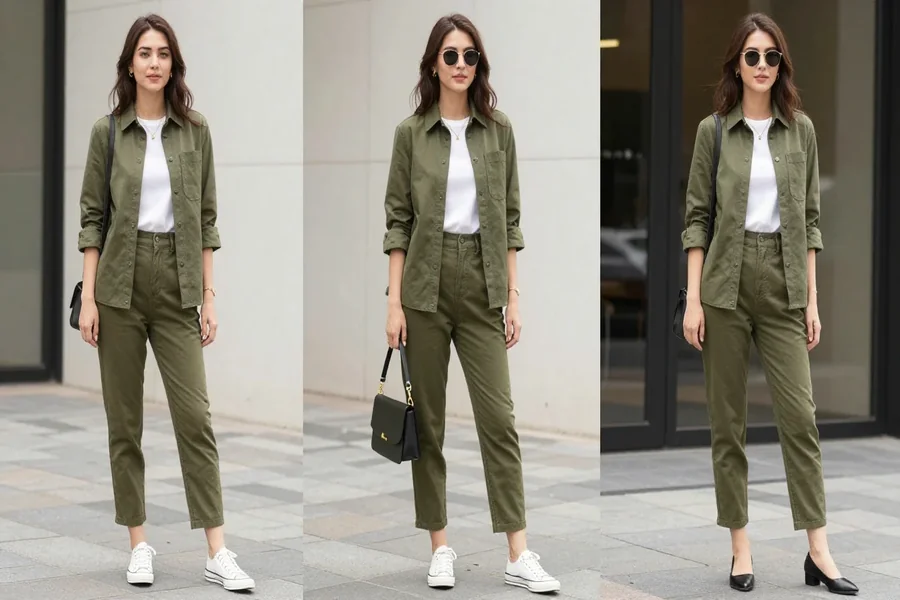

Less can actually make getting dressed easier.
A capsule wardrobe works because every piece earns its place. Your favorite jeans work with three tops. One jacket moves from weekday errands to dinner. The same idea applies to sunglasses. A well-chosen pair of sustainable sunglasses can finish dozens of outfits without asking you to buy a new frame every season.
Maybe you have opened a drawer and found four or five pairs that looked exciting when you bought them, but only one ever leaves the house. That is exactly the kind of clutter a capsule wardrobe is designed to cut.
The best capsule accessory is not the one that matches one perfect outfit. It is the one you keep reaching for.
For sunglasses, that means balancing versatility, fit, lens protection, durability, and materials. Style still matters, of course. It just stops being the only thing that matters.
What a Capsule Wardrobe Needs From Sunglasses
A capsule wardrobe is a small, intentional group of pieces you can mix and wear often. No universal rule says you need exactly 20, 30, or 40 items.
The better question is simpler:
Does each piece work hard enough to deserve the space it takes?
A good pair of sunglasses should work with your real week, not an imaginary version of your life.
Think about where you actually go:
- Work or school
- Coffee runs
- Weekend errands
- Outdoor lunches
- Travel days
- Beach or park time
- Casual dinners
- Long drives
If one frame feels right in most of those situations, it is doing capsule work.
Why Sunglasses Deserve a Capsule Spot
Accessories are small, but they can quickly change an outfit.
The same white tee and jeans can feel sharper with a black frame, softer with tortoiseshell, or more expressive with a bolder shape.
That is useful because a capsule wardrobe is not about looking the same every day. It is about creating more combinations from fewer pieces.
Sunglasses can add contrast, personality, polish, and practical eye protection without adding another layer of clothing.
One useful pair may finish more outfits than another shirt hanging in your closet.
Start With Repeat Wear, Not Trends
Trends are fun. A capsule wardrobe does not have to ban them.
The trick is knowing which trends you will still enjoy after the first few photos.
A neon frame or extreme micro shape may be perfect if that genuinely matches your personal style. But if you usually wear denim, black, beige, white, navy, and earthy tones, a more adaptable frame may earn far more wear.
Before choosing, ask yourself:
“Would I wear this with at least five outfits I already own?”
If the answer is yes without much effort, you are probably looking at a useful capsule piece.
If you have to imagine buying a new jacket, new shoes, and a different bag just to make the sunglasses work, they may be creating more wardrobe problems than they solve.
Choose a Color That Plays Well With Your Closet
You do not need neutral sunglasses, but you do need a color you can repeat.
Look at the shades that already dominate your wardrobe.
| Your Closet Leans Toward | Sunglass Colors That Often Mix Easily |
| Black, white, gray | Black, smoke, clear, dark tortoise |
| Beige, cream, camel | Warm tortoise, brown, honey, wood tones |
| Navy, denim, white | Black, brown, muted green, translucent neutrals |
| Earth tones | Walnut, amber, olive, tortoise |
| Bright colors | Black or a repeated accent color |
This is not a rulebook. It is a shortcut.
If red is basically your neutral, a red frame could be more versatile for you than brown.
Capsule style works best when it reflects your real taste, not when it forces everyone into the same beige uniform.
Pick a Frame Shape You Will Keep Wearing
A capsule frame should have personality without feeling difficult to wear.
Rectangular, rounded, oval, square, and softly geometric frames can all work. What matters more than a “timeless” label is whether you still want to wear the shape across seasons.
Picture it in January, May, August, and October.
Still like it?
That is a good sign.
A capsule purchase should outlast more than one trend cycle in your own head.
Sustainable Fashion Eyewear Fits the “Fewer, Better” Idea
A capsule wardrobe and sustainable fashion eyewear are naturally connected.
Both encourage a move away from constant replacement and toward pieces chosen for longer use.
That idea matters in a fashion culture built heavily around newness. In 2025, the United Nations Environment Program reported that about 92 million metric tons of textile waste are generated worldwide each year. It also noted that clothing production doubled between 2000 and 2015 while the duration of garment use fell by 36%.
Sunglasses aren’t textiles, so those numbers aren’t eyewear statistics.
They do show the broader consumption problem that capsule dressing tries to challenge: more products, shorter use, more waste.
For eyewear, the useful response is not simply “buy something labeled sustainable.”
It is:
Buy thoughtfully, understand the materials, choose something durable, and actually wear it.
What Makes Sustainable Sunglasses Capsule-Worthy?
“Sustainable” should not be the only box you check.
For a pair to work well in a capsule wardrobe, look at the whole product.
1. Materials You Can Understand
Frames may use materials such as bio-acetate, responsibly sourced wood, recycled metals, or recycled plastics.
No material is automatically perfect.
Sourcing, processing, durability, and transparency all matter. Vague phrases such as “green,” “earth-friendly,” or “natural” tell you much less than a clear material description.
2. Build Quality
A capsule item gets used more often, so it has to handle repeat wear.
Check the hinges, frame feel, lens fit, and overall construction.
A frame that looks responsible but breaks after a few outings doesn’t support a “buy less, use longer” mindset.
3. Real Comfort
This one is easy to underestimate.
If sunglasses pinch behind your ears, slide down your nose, or feel heavy after 30 minutes, you will stop reaching for them.
Then they are no longer a capsule piece.
They are drawer decoration.
4. Useful Lens Protection
A capsule wardrobe is as much about function as style.
Your everyday sunglasses should protect your eyes when you are actually outside.
Look for UV400 protection sunglasses or lenses labeled UV400 or 100% UV protection. The FDA says those labels indicate lenses that block more than 99% of UVA and UVB radiation.
Dark tint alone does not prove UV protection.
That detail matters because one dependable everyday pair should not make you choose between looking good and getting proper sun protection.
One Pair Can Work Across More Outfits Than You Think
The easiest way to judge sunglasses for a capsule wardrobe is to match them to situations, not individual outfits.
| Situation | What Makes the Same Pair Work |
| Workday | Clean shape, comfortable fit, adaptable color |
| Weekend errands | Easy styling, durability, light feel |
| Outdoor lunch | UV protection and comfortable coverage |
| Vacation | Versatile color, secure fit, simple outfit matching |
| Casual dinner | Enough personality to feel styled |
| Road trip | Comfort, UV protection, optional polarization |
Notice what is missing?
“Buy another pair.”
That is the point.
A genuinely useful frame should move between situations without looking out of place.
Neutral or Statement: Which Is Better?
Neither wins automatically. Versatility depends on your wardrobe.
A neutral frame often works well if your clothes already contain lots of color, prints, or changing trends. It gives the outfit somewhere to settle.
A statement frame can make more sense when your wardrobe is simple.
If most of your closet is black, white, denim, and solid knits, your sunglasses can become the repeated detail that keeps those basics interesting.
Think of your capsule like a team.
If your clothes are loud, the sunglasses can play support. If the clothes are quiet, let the frame take the lead.
Sustainable Unisex Sunglasses Can Add More Flexibility
Another useful capsule idea is removing unnecessary gender rules from accessories.
Sustainable unisex sunglasses can work especially well in a pared-back wardrobe because the decision shifts toward fit, proportions, comfort, and personal style instead of a “men’s” or “women’s” label.
A clean square frame, rounded acetate style, or simple wood design does not need to belong to one side of a store.
It needs to fit the person wearing it.
That also makes shopping simpler.
Instead of asking whether a frame belongs in a particular gender category, check:
- Frame width
- Bridge fit
- Lens size
- Temple comfort
- Overall proportions
- How naturally it fits your wardrobe
Useful design matters more than labels.
Think in Cost Per Wear
Price alone can make a cheap pair look like the obvious deal. Cost per wear may tell a different story.
| Imagine one well-made pair costs $144 and you wear it 200 times over two years.
That works out to: $0.72 per wear Now imagine a $36 trend pair you wear only 10 times before you lose interest. That becomes: $3.60 per wear These numbers are examples, not industry averages. The point is the math. |
A more expensive product is not automatically better or more sustainable. But something you genuinely use for years can offer much better practical value than a cheaper piece bought on impulse and forgotten quickly.
Capsule dressing is less about spending more and more about judging value by usefulness and longevity.
One Core Pair May Be Enough
You do not have to own only one pair forever.
Start with one dependable core pair, then add another only when you discover a real gap.
Maybe your everyday pair handles work, errands, and weekends perfectly, but you want polarized lenses for fishing or long drives.
Maybe a neutral pair does everything practical, but you genuinely wear one statement frame for nights out and events.
That is a need-based collection, not random accumulation.
A simple eyewear capsule could look like this:
- Core pair: Versatile color, everyday comfort, reliable UV protection
- Optional activity pair: Built around glare reduction, sports, or a specific outdoor need
- Optional statement pair: Clearly different from the core pair and worn often enough to justify its place
Plenty of people may only need number one.
That is fine too.
Let Durability Influence the Style Decision
A frame can look timeless and still be a poor long-term choice if it feels fragile. Think about how you actually treat sunglasses.
- Do they live carefully inside a hard case?
- Or do they move between your car, tote bag, desk, jacket pocket, and suitcase?
Your real habits should influence what you buy. For frequent everyday wear, pay attention to:
- Solid hinges
- Secure lenses
- Comfortable temples
- A frame that does not feel overly delicate
- A protective case
- Easy cleaning and care
Small care habits matter too.
Putting sunglasses in a case instead of loose beside your keys can help prevent scratches. Cleaning lenses with the right cloth rather than the edge of your shirt also helps keep an everyday pair useful longer.
Buying less only works when you take care of what stays.
Keep Seasonal Styling Simple
A good capsule frame should not feel trapped in one season.
Warm brown or wood tones can look natural beside linen and light colors in summer, then work just as easily with wool, denim, and deeper colors in fall.
Black frames move even more easily between seasons. Translucent neutrals can soften heavy winter outfits without looking too summery. The real test is not whether a frame is technically “year-round.”
Ask whether you would reach for it year-round. That answer is far more useful.
Mistakes That Make an Eyewear Capsule Less Useful
A few choices can turn “buy less” into “buy twice.”
Buying for an Imaginary Lifestyle
Choose for your real routine, not the resort wardrobe you wear five days a year.
Ignoring Comfort
A beautiful frame that hurts after an hour will never become an everyday staple.
Trusting One Green Buzzword
Look for specific material and construction details instead of relying on a green-sounding label.
Forgetting UV Protection
Style and sustainability do not replace lens performance. Check the actual UV specification.
Copying Someone Else’s Capsule
Your capsule should reflect your clothes and habits, not somebody else’s neutral aesthetic.
A Quick Capsule Sunglasses Checklist
Before you add a pair, ask:
- Can I wear it with at least five outfits I already own?
- Will the color work across multiple seasons?
- Is the frame comfortable enough for several hours?
- Does it provide proper UV protection?
- Are the materials clearly explained?
- Does the construction feel durable?
- Would I still choose it without a big trend attached?
- Is this filling a real gap or just adding another pair?
A strong run of “yes” answers matters more than a product page calling something a “must-have.”
FAQs
How many sunglasses should be in a capsule wardrobe?
There is no fixed number. One versatile everyday pair may be enough, with extra pairs added only for a genuine activity or style need.
Are sustainable sunglasses good for everyday wear?
Yes, if the frame is comfortable, durable, versatile, and the lenses provide proper UV protection.
What sunglasses color is most versatile?
Black, brown, tortoiseshell, gray, and translucent neutrals are easy to repeat, but the best color is the one that already works with your wardrobe.
Do capsule wardrobe sunglasses need UV400 protection?
For everyday outdoor wear, look for UV400 or 100% UV protection rather than judging UV performance by lens darkness.
Can unisex sunglasses work in a capsule wardrobe?
Yes. Unisex frames can be very versatile when you choose them based on fit, proportions, comfort, and personal style instead of gender labels.
Make Every Pair Earn Its Place
A capsule wardrobe is not really about owning as little as possible. It is about removing the pieces that create noise and keeping the ones that make getting dressed easier.
Sunglasses can do that beautifully. Choose a frame you can repeat, a color that works with the clothes you already own, materials you understand, and lenses that handle the practical side of being outdoors.
Then wear them often enough for the decision to pay off.
The best sustainable sunglasses are not the pair that looks perfect sitting in a case. They are the ones you grab on Monday, pack again on Friday, and somehow still want to wear next season.
