
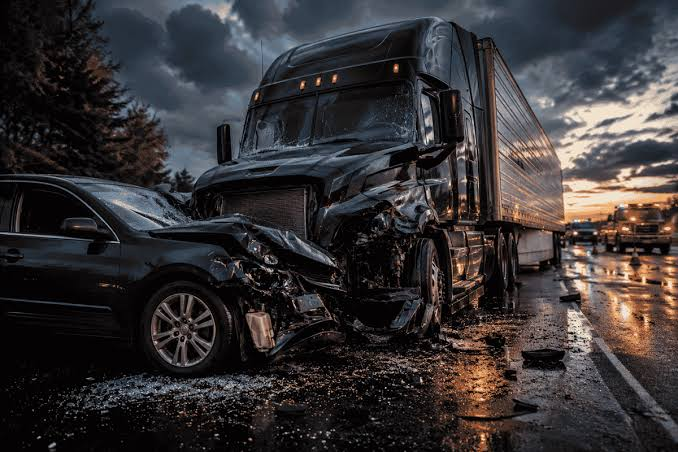

Truck accident claims in Missouri often involve more than the questions raised after a standard car crash. The size of a commercial vehicle can lead to severe injuries, long treatment plans, missed work, and complicated disputes over fault. These cases may also involve company records, driver logs, maintenance files, cargo details, federal safety rules, and several layers of insurance. Because key evidence can disappear quickly, early organization is critical for protecting medical proof and financial losses. Missouri truck accident lawyers often examine those wider records to connect unsafe conduct with the harm caused. That deeper review can help injured people pursue accountability with clearer evidence.
Liability Starts Wider
A highway crash may begin with one driver’s mistake, yet the full answer often sits in company records. Logbooks, electronic control data, dispatch notes, and inspection files can show fatigue or unsafe pressure. In that setting, truck accident lawyers in Missouri may examine whether training, hiring, routing, or maintenance failures helped cause injury.
More Parties May Be Involved
Most car collisions focus on two drivers and their insurance carriers. Truck cases can pull in a motor carrier, broker, shipper, loader, repair vendor, or equipment owner. Each may hold different records and coverage. That wider field can improve recovery options while also creating disputes about who controlled the risk.
Evidence Can Disappear Quickly
Commercial vehicle proof has a short shelf life. Driver logs, dash cameras, engine modules, tire reports, and phone records may be deleted under routine schedules. Preservation letters can stop that loss. Without prompt action, evidence about speed, braking, rest periods, or mechanical failure may disappear before anyone connects it to injury.
Federal Rules Matter
Truck drivers and carriers operate under safety rules that do not apply to ordinary motorists. These standards cover service hours, inspections, load securement, substance testing, and driver qualification. A violation must still connect to the crash. When that link exists, the broken rule can support a clear fault theory.
Injuries Often Run Deeper
A loaded tractor-trailer can outweigh a passenger vehicle many times over. That force increases the chance of skull trauma, spinal cord injury, rib fractures, crush wounds, burns, and organ damage. Treatment may require surgery, rehabilitation, medication, and mobility support. Long-term limits can affect work, sleep, family duties, and personal independence.
Insurance Is More Layered
Truck claims often involve several insurance policies. A carrier may carry primary coverage, excess coverage, trailer coverage, or separate protection for leased equipment. Insurers may argue over which policy applies first. Those fights can delay payment, even when medical records and crash facts show serious harm.
Company Records Tell A Story
A police report captures the immediate scene, but carrier files can reveal deeper causes. Missed inspections, repair delays, prior safety violations, driver complaints, and unrealistic delivery schedules may show preventable danger. That paper trail can connect one collision to business decisions. Standard car claims rarely include that level of corporate evidence.
Settlement Takes More Work
Truck insurers often respond quickly because potential exposure is high. Defense teams may inspect vehicles, interview witnesses, retain reconstruction experts, and review medical records within days. A fair settlement needs precise damage proof and a clear answer to blame-shifting. Early offers may overlook future care, lost earning capacity, or chronic pain.
Comparative Fault Can Reduce Recovery
Missouri law allows compensation to be reduced when an injured person shares fault. Truck defendants may claim sudden braking, poor visibility, speeding, distraction, or unsafe lane movement. Strong evidence can answer those claims. Photos, vehicle data, witness accounts, and treating physician notes help protect a valid recovery.
Damages Need Careful Proof
Truck accident damages extend beyond emergency charges. Claims may include surgery, therapy, medication, lost income, reduced work ability, home help, pain, sleep disruption, and emotional strain. Severe injuries may require life care planning. Clear records show how trauma altered daily function, financial stability, and long-term health.
Preserving Proof After Truck Crashes
Truck accident claims differ because the size, medical harm, and legal proof are greater from the start. More parties, stricter safety rules, layered insurance, and fragile records shape each decision. Standard vehicle collisions may resolve with basic reports and bills. Commercial truck cases usually need more profound investigation and careful medical documentation. Injured people are best served by preserving evidence early and tracking every loss with precision.
