
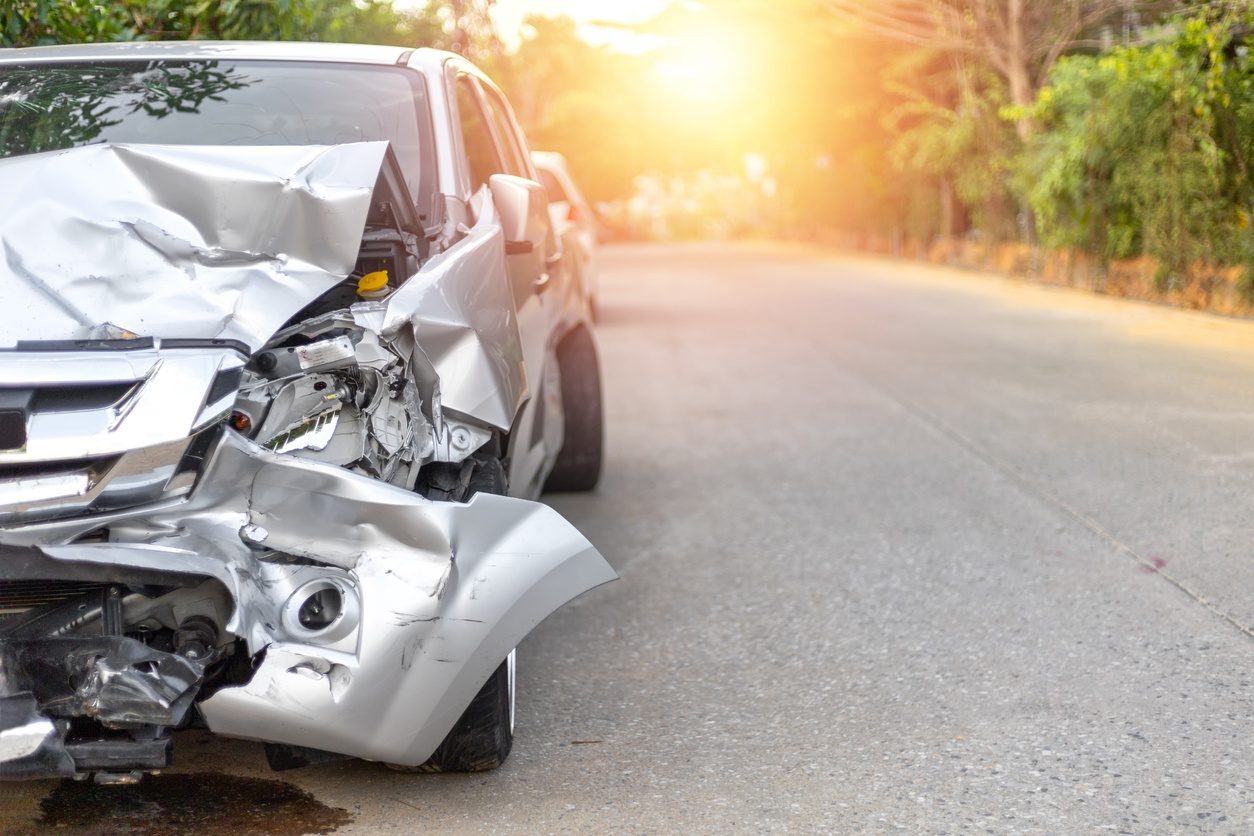

A photograph taken after a car crash can capture important details that may be lost when the vehicles are moved or the scene is cleared. Not all photos are equally useful; a good photograph provides evidence about how the collision happened or the conditions at the scene.
In Texas, a photograph is not automatically accepted as evidence just because it relates to an accident. The Texas Rules of Evidence require that photographs be relevant, authenticated, and properly used. Timing, context, accuracy, and preservation are as important as image quality in a car accident claim.
A Useful Photo Documents Something Relevant to the Crash
Texas Rule of Evidence 401 states that relevant evidence is information that can make a significant fact more or less likely. In a car accident case, photographs can be important if they show vehicle damage, road layout, traffic signals, road conditions, visibility, or other disputed factors. The usefulness of a photo depends on how well it illustrates something important to the case.
The Texas Department of Transportation provides guidance for officers when making crash reports, detailing the scene conditions they should note. Current report sections include weather, lighting, road alignment, surface conditions, and traffic controls. Photos that clearly capture these details can give visual support to the information found in an official crash report.
Wider Views Provide Context That Close-Ups May Miss
A clear photo of a crushed bumper shows the damage but does not provide details about where the vehicles were or what was around them. Wider photos can capture important features like lane markings, intersections, traffic signs, medians, road curves, nearby buildings, and how the vehicles relate to each other. By taking both wider shots and close-ups, you create a better complete record than if you only used one type of photo.
Context is especially important so that a single image does not get misinterpreted. For example, a photo of skid marks is more informative when you can see the surrounding road and the direction of travel. This also applies to damaged signs, debris, and road conditions. According to Rule 401, the key question is whether the image helps prove a fact that matters to the case.
Photos Can Preserve Conditions That May Change Quickly
Crash scenes are temporary. Vehicles may have to be moved, debris can be cleared, weather changes, and traffic-control conditions may later look different. TxDOT instructs drivers involved in a collision without injuries to move a drivable vehicle out of the flow of traffic rather than leave it where it creates a traffic obstruction. Safety therefore takes priority over attempting to preserve a scene exactly as it appeared at impact.
When photographs can be taken safely, images captured near the time of the collision may preserve conditions before they change. Useful subjects can include visible vehicle damage, the roadway surface, traffic controls, surrounding visibility, and the overall location. TxDOT's crash-reporting system recognizes weather, lighting, roadway alignment, surface condition, and traffic control as relevant crash information, reinforcing why those environmental details can matter.
The Photo Needs to Be Identifiable as What It Claims to Show
A photograph gains little evidentiary value if no one can establish what it depicts. Texas Rule of Evidence 901 requires enough evidence to support a finding that an item is what its proponent claims it to be. One method specifically identified by the rule is testimony from a witness with knowledge that the item is what it is claimed to be.
For crash photographs, that can make basic context valuable. Knowing who took the image, when it was taken, what location it shows, and which vehicle or roadway feature appears in it can make later identification easier. Photographing a vehicle from several angles can also reduce uncertainty about which area of damage an isolated close-up represents.
Preserving the Original Image Can Avoid Later Questions
Texas Rule of Evidence 1001 defines a photograph broadly as a photographic image or its equivalent stored in any form. Rule 1002 generally requires an original when a party seeks to prove the content of a photograph, subject to exceptions elsewhere in the rules. Rule 1003 provides that a duplicate can be admitted to the same extent as the original unless authenticity is questioned or circumstances make use of the duplicate unfair.
Keeping the original files therefore creates a cleaner record than retaining only heavily cropped, filtered, annotated, or compressed versions. When Austin car accident lawyer representation involves reviewing crash-scene evidence, original photographs can also be compared with police records, repair documentation, witness accounts, and other materials developed during the claim. Preserving both the original image and any copies used for communication reduces unnecessary disputes about what the photograph originally showed.
More Photos Are Not Automatically Better Evidence
Taking many photographs can preserve additional details, but quantity alone does not determine usefulness. Texas Rule of Evidence 403 allows a court to exclude relevant evidence when its probative value is substantially outweighed by concerns including unfair prejudice, confusion, misleading the jury, undue delay, or needless presentation of cumulative evidence. A large collection of nearly identical images therefore does not automatically strengthen a case.
A more useful photographic record captures distinct information. That may include the entire scene, each vehicle, specific damaged areas, lane markings, relevant signs or signals, road conditions, and other features connected with the collision. Clear organization also makes it easier to understand what each photograph contributes rather than forcing reviewers to search through numerous repetitive images.
Police Photos May Be Separate From the Crash Report
A person who obtains a Texas crash report may assume that every photograph taken by an investigating officer is part of the TxDOT file. TxDOT states otherwise. The department is the custodian of the crash report itself, but requests for dash-camera recordings, field notes, photographs, and other scene information need to be directed to the investigating agency because those materials are not part of TxDOT's custodial crash-report files.
That distinction can matter when additional photographs exist beyond those taken by the drivers or witnesses. An investigating police department or other law-enforcement agency may possess separate scene materials. Identifying the agency that investigated the collision and determining what records it maintains can help create a more complete picture of the available evidence.
A Strong Crash Photo Tells More Than One Small Part of the Story
The most useful crash-scene photographs combine clarity with context. They show something relevant, accurately represent the scene, can be identified later, and are preserved in a form that allows their authenticity to be addressed. Wide views can establish surroundings, while closer images document specific damage or roadway details.
Photographs cannot determine liability by themselves, and they need to be evaluated alongside other evidence. Texas civil discovery rules expressly recognize photographs among the types of relevant materials that may be discoverable during litigation. Preserving a clear and organized visual record can therefore give insurers, attorneys, experts, and ultimately a court more information for evaluating disputed facts after the physical crash scene is gone.
