
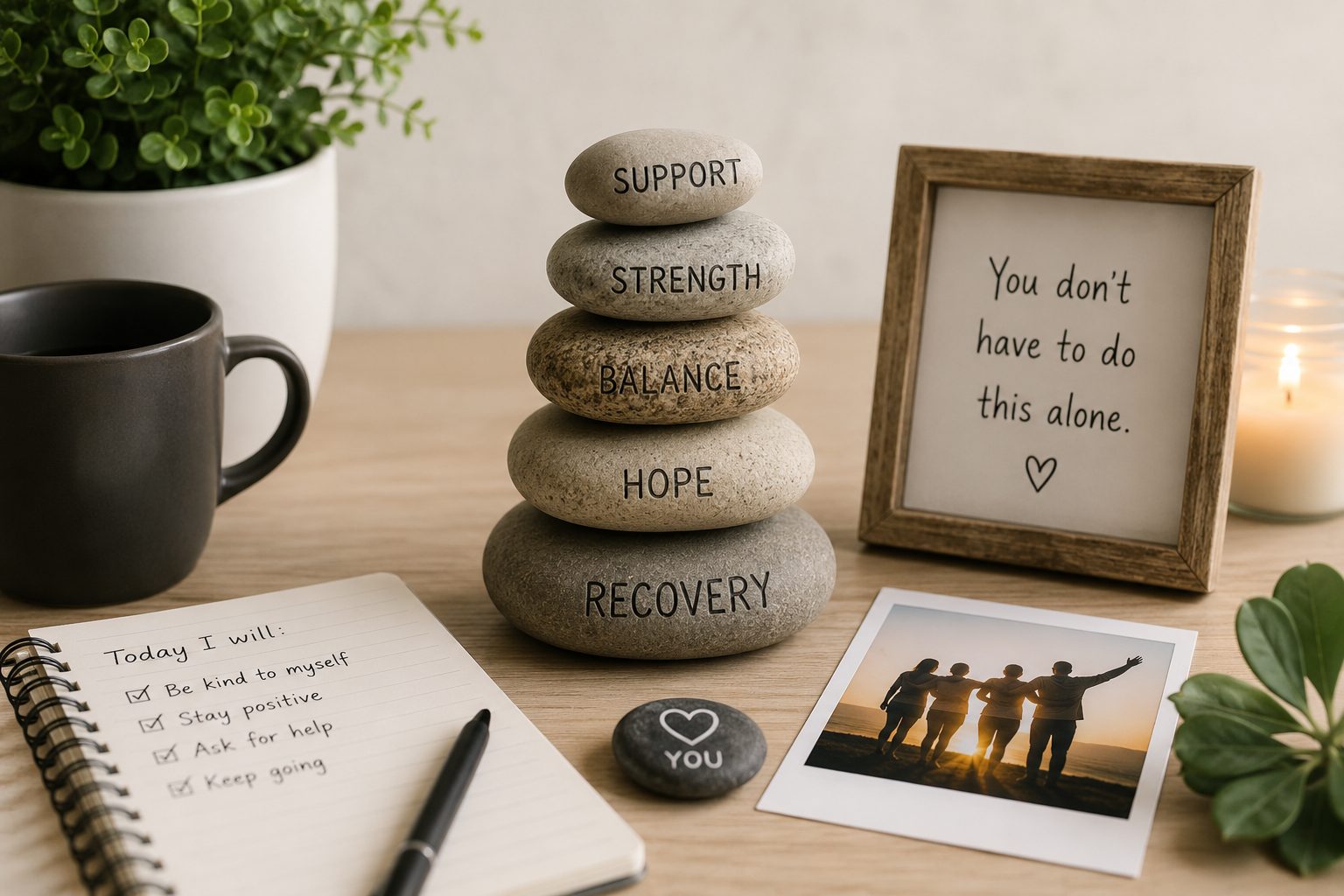

Recovery is often described as a journey, but it's more accurate to think of it as a process of rebuilding. Just as a house needs a solid foundation to withstand storms, lasting recovery depends on a strong support system that helps people stay grounded through life's challenges. While determination and personal commitment play an important role, recovery is rarely something anyone achieves entirely alone.
Consistent support can make the difference between temporary progress and long-term success. Whether that support comes from family, trusted friends, peers, counselors, or structured care environments, having reliable people and healthy routines in place creates stability during one of life's most challenging transitions.
Why Support Matters Throughout Recovery
Healing from substance use is about far more than stopping the use of drugs or alcohol. Recovery involves learning healthier ways to manage stress, process emotions, repair relationships, and develop new habits that support physical and mental well-being.
During the early stages, many people experience emotional highs and lows, uncertainty, and moments of self-doubt. Having someone to encourage progress, provide accountability, and offer understanding during difficult days can help reduce feelings of isolation.
Support also reminds people that setbacks don't erase progress. Instead of viewing challenges as failures, individuals with strong support networks are often better equipped to learn from obstacles and continue moving forward.
The Importance of a Structured Environment
For many individuals, establishing stability begins with a structured setting that minimizes distractions and reduces exposure to triggers. Daily schedules, healthy routines, and professional guidance can help people focus entirely on healing without the pressures of everyday life.
This is one reason why inpatient substance abuse treatment is often recommended for individuals who require a higher level of care. A structured environment provides consistency, allowing participants to build healthier habits while receiving continuous support from trained professionals and peers who understand the recovery process.
More importantly, structured care creates opportunities to practice positive coping skills before returning to everyday responsibilities.
Building Healthy Daily Habits
Support isn't only about conversations or therapy sessions. It also comes through routines that promote physical and emotional health.
Simple daily habits gradually become the framework for long-term recovery. These may include:
- Following a consistent sleep schedule.
- Eating balanced meals.
- Exercising regularly.
- Attending recovery meetings.
- Practicing mindfulness or meditation.
- Setting realistic daily goals.
- Celebrating small achievements.
These habits may seem ordinary, but together they create stability that helps reduce stress and improve emotional resilience.
Consistency often matters more than perfection. Missing a workout or having a difficult day doesn't erase progress. What matters most is returning to healthy routines rather than giving up altogether.
Family and Friends Can Strengthen Recovery
Loved ones often want to help but aren't always sure how. Meaningful support isn't about solving every problem—it's about being present, listening without judgment, and encouraging healthy decisions.
Families can contribute by:
- Learning about addiction and recovery.
- Encouraging open communication.
- Respecting healthy boundaries.
- Celebrating milestones.
- Avoiding blame or criticism.
- Supporting accountability rather than enabling unhealthy behaviors.
Healthy relationships create a sense of belonging, which is something many people need during recovery.
It's equally important for family members to care for their own emotional well-being. Recovery affects everyone involved, and seeking education or support can benefit the entire household.
Peer Support Creates Understanding
One of the most valuable aspects of recovery is connecting with others who have experienced similar struggles.
Peer support groups offer encouragement without judgment because participants often understand the emotional challenges firsthand. Sharing victories, setbacks, and practical advice can reduce feelings of loneliness while providing motivation to continue.
These communities also remind individuals that recovery isn't about being perfect. It's about continuing to grow despite challenges.
Whether someone participates in formal recovery meetings or informal peer groups, having people who genuinely understand the journey can be incredibly reassuring.
Professional Guidance Provides Stability
Support from trained professionals adds another layer of accountability and education throughout recovery.
Therapists, counselors, and recovery specialists can help individuals identify the underlying factors contributing to substance use while teaching healthier coping strategies. These conversations often uncover patterns that may otherwise go unnoticed.
For individuals with more complex needs, inpatient substance abuse treatment provides comprehensive care that combines structured routines, therapeutic support, education, and continuous monitoring. This level of care allows individuals to focus entirely on recovery while developing skills they can continue using long after treatment ends.
As recovery progresses, many people transition into less intensive forms of ongoing support while maintaining the healthy habits they've established.
Learning to Navigate Triggers
Triggers are a normal part of recovery. They may include stressful situations, certain environments, difficult emotions, or even positive events associated with past substance use.
Support systems help individuals recognize these triggers before they become overwhelming.
Helpful strategies may include:
- Identifying high-risk situations.
- Creating an action plan before stressful events.
- Reaching out to trusted supporters.
- Practicing relaxation techniques.
- Developing healthier responses to difficult emotions.
- Limiting exposure to environments associated with substance use.
Recovery becomes stronger when people learn that asking for help is a sign of strength rather than weakness.
The Role of Accountability
Accountability isn't about punishment or criticism. Instead, it creates opportunities for growth.
Having someone regularly check in can encourage consistency with healthy routines, appointments, and recovery goals. Knowing that someone genuinely cares often motivates individuals to continue making positive choices, even during difficult periods.
This accountability may come from family members, sponsors, therapists, recovery groups, or peers who share similar goals.
People tend to stay committed longer when they feel supported rather than judged.
Recovery Continues Beyond Early Success
Many people assume recovery becomes easy after the first few weeks or months. In reality, long-term success comes from continuing to strengthen the foundation built during the early stages.
Life will inevitably present new challenges, including career changes, relationship issues, health concerns, and unexpected stress. The difference is that individuals who maintain consistent support are often better prepared to face these situations without returning to unhealthy coping mechanisms.
This is why many people continue participating in support groups, therapy, or wellness activities long after completing inpatient substance abuse treatment. Ongoing support reinforces healthy behaviors while helping individuals adapt to life's changing circumstances.
Recovery isn't about reaching a finish line—it's about continually building a healthier, more balanced life.
Creating a Personalized Support System
Every recovery journey is unique, so support systems should reflect individual needs and circumstances.
A strong foundation may include:
- Trusted family members.
- Close friends who encourage healthy choices.
- Recovery support groups.
- Licensed therapists or counselors.
- Wellness activities that reduce stress.
- Healthy hobbies and creative outlets.
- Consistent routines that provide structure.
The most effective support network isn't necessarily the largest one. Even a few dependable people who genuinely care can make a meaningful difference.
Final Thoughts
Recovery is built one day at a time, and lasting change rarely happens without consistent support. While motivation can inspire someone to begin healing, ongoing encouragement, accountability, and healthy relationships help sustain progress over the long term.
Whether support comes from loved ones, peers, or structured environments like inpatient substance abuse treatment, having reliable guidance creates stability during life's inevitable ups and downs. Combined with healthy routines, emotional resilience, and a willingness to keep moving forward, consistent support becomes the foundation upon which lasting recovery is built.
Every step forward, no matter how small, strengthens that foundation—and over time, those steady steps can lead to a healthier, more fulfilling future.
