
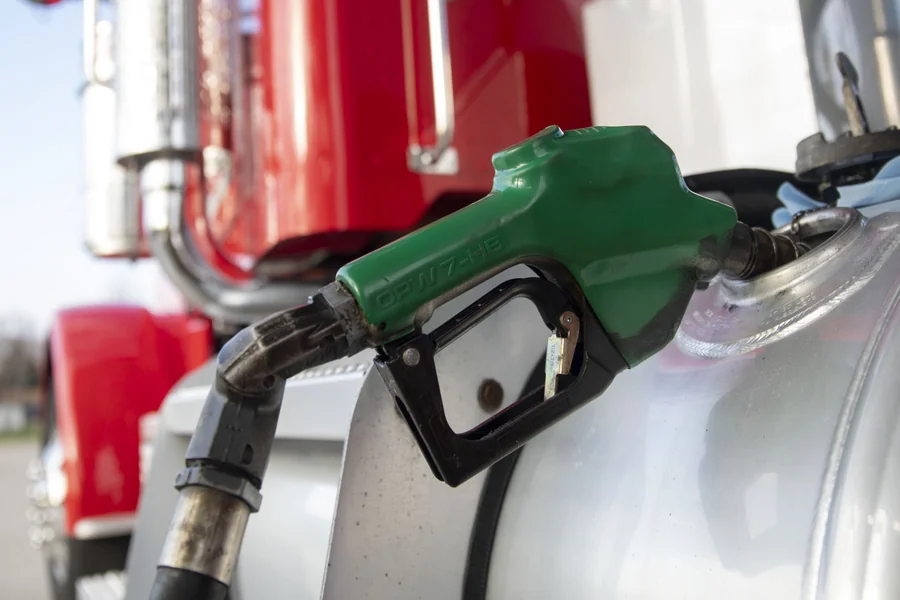
In today’s market, “good enough” is just a slow way to fail. Companies are constantly hunting for ways to trim the fat, and that is exactly where fleet fuel services come into play. Look, sending drivers out to hunt for a gas station is a relic. It is a massive waste of time. This modern approach flips the script by bringing the fuel directly to the machines. It’s a shift toward valuing time and reliability just as much as the fuel itself.
The Real Cost: Wasted Hours and “Windshield Time”
Every trip to the station costs more than just fuel—it eats into time, too. You are paying for “windshield time”—labor that produces zero revenue. Let’s look at how the hours disappear for a typical operation:
- The Detour: Every trip to a station takes the vehicle off its productive route.
- The Queue: Hanging around waiting your turn.
- The Paperwork: Dealing with receipts and scribbling down miles.
It’s only 20 minutes here and there—but over a year, that’s 80+ hours wasted per truck. For a fleet of 20 vehicles, you are essentially losing 1,600 hours of billable work every year. That is the equivalent of a full-time employee doing nothing but sitting at a gas pump.
On-site fueling wipes that entire drain off your books.
A Values-Driven Approach To Fleet Fueling
The philosophy here isn’t just about moving liquid from a tanker to a truck. It’s grounded in old-school principles: integrity and actually being accountable. These aren’t just decorative words in an employee handbook; they are the practical rules for how every delivery is handled. In industries where a two-hour delay can wreck a week’s schedule, you need a partner that values consistency over a quick buck.
Rather than trying to force every client into a one-size-fits-all box, the focus is on building actual partnerships. When a provider understands the heartbeat of your specific operation, they offer support that goes way beyond a simple drop-off. It’s about creating operational confidence. You want to know that when your crew shows up at 5:00 AM, the equipment is ready to go. No excuses.
Killing Downtime to Boost the Bottom Line
Let’s be honest: traditional fueling is a total productivity killer. When a driver peels off a route to find a station, you’re basically burning daylight.
Mobile fleet fuel services change all that. By refueling vehicles during off-hours, the entire fleet starts the day with a full tank. It’s seamless.
The result? A tighter workflow and better use of your assets. Instead of micromanaging fuel runs or checking paper receipts, you can keep your eyes on the work that actually makes you money.
There’s also a hidden win for the hardware. On-site fueling cuts down on the “extra” miles driven just to reach a pump. Over a year, those miles add up to real wear and tear. By cutting those trips out, you’re extending the life of your vehicles.
Navigating the Maze of State Regulations
Fuel isn’t something you can just deal with once and move on—especially if you’re running across state lines. Each one plays by its own rules—different taxes, different emissions limits, different requirements.
Take California, for example, where cleaner fuel blends are a must. Head over to Texas, and you’re dealing with a completely different setup, partly because of how close they are to refineries.
Keeping up with all of it? Honestly, it can feel like a full-time job.
A nationwide provider has to adapt to these regional quirks without missing a beat. By staying on top of local laws, they ensure the fuel in your tank is both legal and cost-effective, no matter where the job site is located.
The Environmental Reality of Smart Fueling
We have to talk about the footprint. While fuel is a necessity, how we manage it matters. By cutting out millions of individual trips to the station and tightening up delivery routes, we naturally lower the carbon footprint of the whole operation. It’s common sense.
Furthermore, high-quality fuel and better timing mean engines run at peak efficiency. An engine that isn’t struggling with low-grade fuel or excessive idling is an engine that produces fewer emissions.
This balance between hitting your numbers and being a responsible steward of the environment is the future. It’s about sustainability that actually makes sense for the balance sheet, not just a PR move.
Driving Real, Long-Term Value
At the end of the day, the benefits of fleet fuel services go way beyond the convenience of skipping the gas station. The real value is in the ability to scale your business with total confidence. When your fueling is predictable, your whole operation becomes easier to manage.
Protecting your equipment with high-quality fuel ensures your fleet stays on the road longer. These aren’t just small wins; they are measurable outcomes that hit your profitability directly. As the market gets more competitive, the demand for these kinds of intelligent solutions will only grow.
