
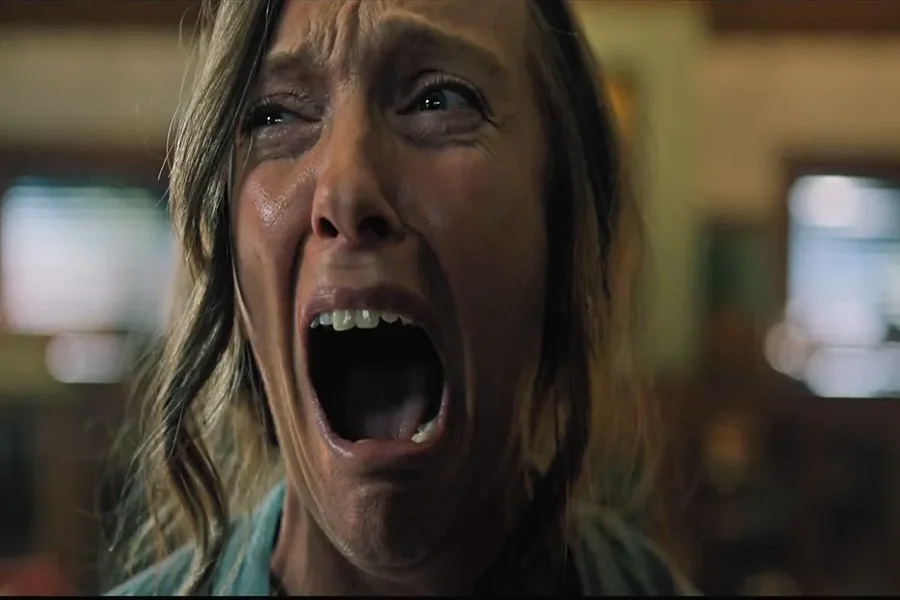

Movies have a unique ability to make us feel deeply, transporting us into the lives of characters and immersing us in their joys, struggles, and heartbreaks. Some scenes stay with audiences long after the credits roll, evoking tears, empathy, or intense reflection. These moments resonate because they capture universal emotions—love, loss, sacrifice, and hope—in a way that words alone cannot. This article explores some of the most emotional movie scenes ever and why they continue to move viewers around the world.
Heartbreaking Goodbyes
Few cinematic moments are as emotionally powerful as goodbyes. Whether between lovers, family members, or friends, these scenes strike a chord because they reflect the pain of real-life farewells. Films like Marley & Me and The Notebook are celebrated for their gut-wrenching farewell moments.
In Marley & Me, the final scene with the beloved dog Marley shows the deep bond between pets and humans. The quiet, poignant farewell captures the grief of loss and love in a way that resonates with anyone who has cherished a companion. Similarly, The Notebook delivers an unforgettable emotional punch when the lifelong lovers say goodbye in their final moments, highlighting the enduring power of love even in the face of mortality. Fans seeking more emotional and heart-stirring stories can explore vibromedia for detailed coverage of movies, celebrity news, and entertainment insights.
Sacrifices That Stay With Us
Sacrifice is a recurring theme in many of the most emotional movie scenes. Characters who put the needs of others above their own create moments of admiration and heartbreak. Films like Schindler’s List and The Pursuit of Happyness showcase powerful acts of selflessness that linger in memory.
In Schindler’s List, the scene where Oskar Schindler realizes he could have saved more lives is a devastating moment of regret and moral reflection. The weight of responsibility and the human cost depicted in this scene leaves audiences emotionally raw. The Pursuit of Happyness features Chris Gardner’s struggle to secure a better future for his son, culminating in moments of triumph that are deeply moving because they are hard-earned and profoundly human. These stories remind viewers that sacrifice, whether visible or quiet, often carries profound emotional resonance.
Tear-Jerking Family Moments
Family dynamics often create some of the most emotional scenes in cinema. Moments of reconciliation, loss, or bonding between family members can evoke strong feelings because they are universally relatable. Movies like Coco and Finding Nemo excel at portraying these emotional connections.
In Coco, the scene where Miguel connects with his deceased family members in the Land of the Dead celebrates love, memory, and the importance of family legacy. The blend of joy and sadness makes this scene unforgettable. Finding Nemo features Marlin’s desperate search for his son, and the moment of reunion is both heartwarming and emotionally intense. These scenes resonate because they remind viewers of their own familial bonds, capturing the complexities of love, protection, and loss.
Love and Loss on Screen
Romantic relationships often produce some of the most emotional cinematic moments. Films like Titanic and La La Land have scenes that leave audiences in tears, reflecting the joy, heartbreak, and impermanence of love.
In Titanic, the final moments between Jack and Rose as they part in the freezing Atlantic Ocean are heart-wrenching. The tension, sacrifice, and ultimate loss make it one of the most iconic emotional scenes in film history. La La Land delivers a bittersweet moment at the end, where the characters reflect on love, choices, and the paths their lives have taken. These scenes remind viewers of the beauty and fragility of love, and why it can be both joyful and devastating at the same time.
Triumph Over Adversity
Some of the most emotional scenes stem from characters overcoming seemingly impossible challenges. Whether through personal growth, resilience, or sheer determination, these moments inspire and move audiences profoundly. Movies like Rocky and The Blind Side showcase the triumph of the human spirit.
In Rocky, the final fight scene represents not only physical endurance but the emotional journey of perseverance and hope. The crowd’s reaction and Rocky’s sense of accomplishment make it a stirring moment that transcends the screen. The Blind Side features Michael Oher’s acceptance into a loving family and his journey to success, evoking tears because it combines personal struggle with the power of support and opportunity. These emotional victories resonate because they remind viewers of the universal desire for achievement and recognition against the odds.
Moments of Shocking Reality
Some scenes shock audiences not with action but with their raw, emotional realism. Films like Manchester by the Sea and Requiem for a Dream feature moments that are haunting because of their unflinching portrayal of grief, addiction, and human frailty.
In Manchester by the Sea, Lee Chandler’s grief over the loss of his family is depicted in subtle, yet devastating ways. The scenes of everyday life intertwined with profound sorrow make the audience feel the weight of loss intimately. Requiem for a Dream presents a harrowing descent into addiction, where hope is replaced by despair in ways that leave viewers emotionally shaken. These movies demonstrate that cinema can reflect the harsh truths of life while evoking deep emotional responses.
Final Thought
The most emotional movie scenes ever are unforgettable because they connect with something fundamental in the human experience. They explore love, loss, sacrifice, triumph, and grief in ways that feel real and relatable. Whether it’s a tearful farewell, a heroic act of selflessness, a family reunion, or a love lost, these scenes stay with audiences because they resonate long after the screen goes dark. Cinema has the power to make us feel deeply, to reflect on our own lives, and to remind us of the beauty and fragility of the human condition. These emotional moments prove that movies are not just entertainment—they are mirrors of our own hearts.
