
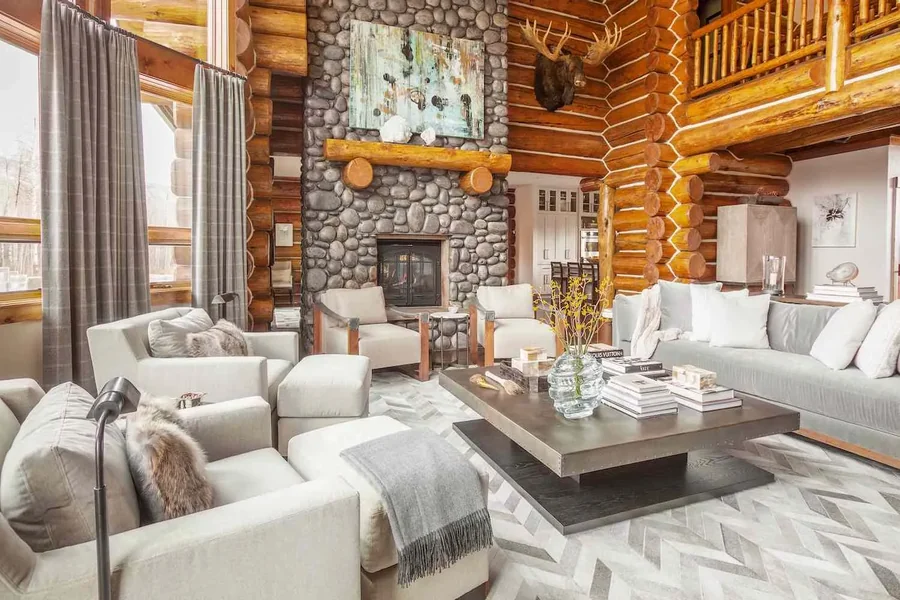

Balancing Tradition with Modern ComfortsThe image of a log cabin often brings the idea of cozy, simple living amid natural surroundings. Yet, more people than ever are discovering that the joy of a log home can include both nostalgic touches and the best of today’s comfort and technology. In recent years, designers and architects have taken cues from classic cabins and modern homes, blending time-honored techniques with new materials and layouts. Gone are the days when a log home was synonymous with cramped, closed-in rooms or dark interiors. Today’s cabins are designed for beauty, functionality, and relaxation, all at once.Crafting a truly spectacular log home often requires a collaborative approach. By working with a skilled Colorado cabin company Frontier Log Homes, homeowners can reimagine the charm of traditional log structures with modern twists, such as open-concept living spaces, expansive windows, and contemporary amenities. It’s now common to see soaring ceilings paired with exposed beams, spaces that invite both togetherness and privacy, and innovative features that honor cabin history while elevating the daily experience.The evolution of log home design attracts many enthusiasts, from those seeking a rustic mountain retreat to families wanting a full-time residence packed with character. Architectural Digest’s collection of modern log cabins embodies a harmonious combination of heritage and contemporary vision, providing a living experience that is both timeless and unmistakably fresh.
Why Material Choices Shape the Experience
The building blocks of a log cabin make all the difference. While genuine logs still anchor the aesthetic, advancements in material science and sustainable forestry have changed how these homes are built and enjoyed. Today’s cabins might pair age-old timber with sleek metal accents, recycled glass, or locally sourced stone, giving them a one-of-a-kind appearance and exceptional structural integrity.
Material choice can affect not only how the cabin looks but also how it feels to live in, maintain, and heat or cool. Many modern log cabins use engineered or laminated wood, which can be more stable and eco-friendly than traditional logs, alongside highly durable exterior finishes. This strategy preserves the rustic look but ensures longevity, even in harsh climates. Homeowners also gravitate toward energy-efficient and low-maintenance materials, saving both money and time in the long run.
According to the National Association of Home Builders, energy-efficient windows and sustainably harvested timbers are two of the fastest-growing trends in the building industry. Designers increasingly use materials that protect indoor air quality and reduce the environmental impact of residential construction, setting the stage for healthier, greener homes.
Energy Efficiency in Log Homes
Comfort in a log home isn’t just about the look or layout—it’s also about sustainable energy performance. Leading log home builders are focused on engineering houses for optimal efficiency, knowing that this enhances day-to-day living and helps keep costs in check. High-quality insulation and precision construction techniques allow log cabins to retain warmth in winter and stay cooler in the heat.Most new cabins incorporate multi-pane windows, advanced weather stripping, and high-R-value roof systems to improve comfort while reducing energy bills. Log walls, carefully dried and fitted, naturally buffer against temperature swings thanks to their high thermal mass—a benefit recognized by energy experts for decades. With programmable thermostats, on-demand water heating, and zone-specific climate control, cabin owners can now enjoy year-round efficiency without missing any rustic charm.
- Innovative HVAC systems reduce waste and environmental impact.
- Radiant floor heating is increasingly popular for even, silent warmth.
- Modern building codes encourage airtight construction and the use of sustainable insulation products.
Guidance from the U.S. Department of Energy confirms that properly built log homes can match or surpass traditional homes’ energy performance, provided attention is given to sealing and material selection. Homeowners seeking to integrate off-grid features or alternative energy can do so more easily than ever.
The Rise of Open-Concept Spaces
Spaciousness is a universal desire in modern cabin design. Removing unnecessary interior walls and choosing multifunctional spaces creates an open, welcoming environment perfect for gatherings or simply feeling connected to the outdoors while indoors. The great room—a central area combining the kitchen, dining, and living spaces—has become a staple, letting families enjoy meals, games, and relaxing evenings together under one impressive timbered roof.Open floor plans allow for uninterrupted sightlines and flexible use of space, meaning a small cabin can feel much larger than its square footage suggests. Expansive windows further the sense of openness by ushering in daylight and framing natural views, making even routine activities like cooking or reading a window seat feel more special.This approach makes the home more functional and improves accessibility for all ages. Entertaining guests is easier since no one is isolated in a separate kitchen or den, and the flow between indoors and outdoors is smoother, especially when large sliding doors or decks are included.
Smart Technology Integration
Modern log cabins frequently include built-in technology that enhances convenience, comfort, and security. Homeowners can now control lighting, temperature, and even window shades with smartphones, ensuring the house is always comfortable, whether occupied or vacant. Automated systems can help adjust the environment throughout the day, taking advantage of sun exposure or minimizing energy usage during off-peak hours.
- Smart security cameras blend with rustic settings for peace of mind.
- Customizable lighting brings out the best in natural wood and stone.
- Wireless speakers and entertainment systems are tucked away for a clutter-free look.
Designers carefully keep technology subtle, hiding wiring and hubs while providing intuitive, user-friendly controls. This means homeowners don’t have to compromise on the warm, handcrafted atmosphere that log cabins are loved for, but can still enjoy the best that innovation offers.
Designing with Nature in Mind
An authentic log cabin naturally encourages outdoor living, and design trends maximize this connection. Large picture windows, glass doors, and covered porches foster an effortless flow between inside and outside. Using nature-inspired materials—such as stone fireplaces or locally milled lumber—reinforces this link, creating spaces that feel in sync with their surroundings.
Features Enhancing Outdoor Connection
- Floor-to-ceiling windows open rooms to natural light and scenic views.
- Screened porches and outdoor rooms extend living space for year-round fresh air enjoyment.
- Natural landscaping creates privacy and encourages wildlife to visit.
Biophilic design has documented benefits for mental health and stress reduction, and it is at the heart of many cutting-edge log home projects. Designers orient homes to maximize sun exposure, shield against harsh winds, and provide stunning sunrise or sunset views—factors that make everyday life more rewarding.
Personalized Touches in Modern Design
Custom features set today’s log homes apart. Owners are increasingly requesting one-of-a-kind elements that reflect who they are, from whimsical lofts and built-in bunks to hand-carved accents and specialty fireplaces. Local artisans often collaborate with architects to create cabinetry, railings, or mantels that showcase local culture and highlight the natural beauty of the home’s materials.With expert input, cabins may include wine cellars, spa-style bathrooms, or even integrated workspaces for remote professionals. The ability to blend tradition with personal expression makes each log home unique and cherished across generations.
Where Log Homes Are Headed Next
The next wave of log cabin design is expected to emphasize sustainability, flexibility, and smart living in new ways. As more people seek homes that are both beautiful and gentle on the environment, builders are adopting modular construction, off-grid solutions, and even net-zero energy concepts. There is a growing interest in tiny cabins, eco-friendly insulation, and renewable energy sources like solar and geothermal power.Technological advances and a commitment to blending indoor and outdoor spaces will continue to influence cabin design. Building inspiration from builders and the creative ideas featured by leaders in architecture and construction means that today’s log home can be timeless, future-proof, and uniquely personal.
