
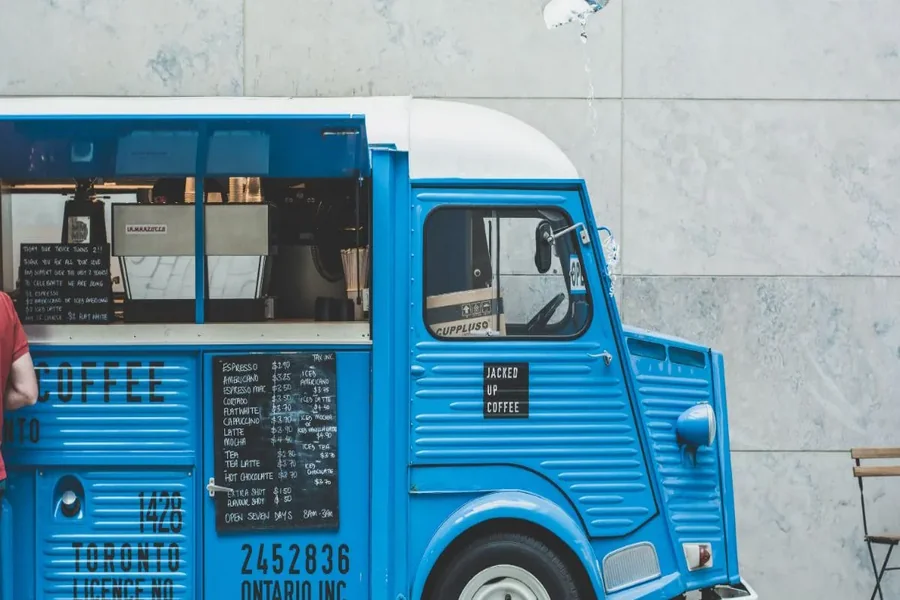

Arizona mornings start early, and for aspiring food truck owners, that’s when the gears start turning. The idea of running a food truck here isn’t just romantic—it’s practical. Arizona’s climate makes mobile vending feasible most of the year, especially in cities like Phoenix, Tucson, and Flagstaff, where people gather outdoors often. Art walks, music festivals, and spring training draw steady crowds hungry for more than just stadium nachos.The state’s street food culture is robust and growing. Local foodies embrace both tradition and experimentation. You’ll see fry bread alongside gourmet vegan bowls, and Sonoran hot dogs just a few trucks down from Korean-Mexican mashups. This variety means there’s room for a niche—if you commit to a strong concept. Whether it’s Navajo tacos or ube soft serve, Arizona rewards originality rooted in quality.But not everyone wakes up ready to handle the reality behind the wheel. Some are cooks tired of kitchens. Others are entrepreneurs without culinary training but with branding instincts. Both can succeed—but only if they shake common myths.First, the idea that food trucks are cheap is misleading. While less costly than opening a full restaurant, trucks come with steep upfront costs and ongoing regulations. Second, Arizona doesn’t treat food trucks as unregulated rebels. There are detailed state, county, and city rules, and failing to follow them can put a truck out of service before it serves a single taco.Start by asking yourself: Are you chasing a food fantasy or ready to build a mobile business? Both require passion. Only one requires daily attention to inventory, licensing, and 110-degree temperatures.
Permits and Parking: Hitting the Bureaucratic Brakes
By mid-morning, the dream often hits its first wall—paperwork. In Arizona, running a food truck means navigating state, county, and sometimes city-level red tape.Begin with your Arizona Food Establishment License, which includes a food handler certification and business registration. If you’re operating in multiple counties, you’ll need to understand and comply with each one’s specific rules. Maricopa, Pima, and Coconino counties all have distinct permitting systems, health inspection protocols, and commissary kitchen requirements.Every county mandates at least one health inspection before operating. Inspectors aren’t just looking for clean counters—they review water source plans, cold-holding units, food prep logs, and more. If your setup isn’t right, you’ll be flagged and forced to reschedule. That delay alone could cost you hundreds in missed vending opportunities.You’ll also need a Mobile Food Vendor Permit, which varies by municipality. Phoenix, for example, has a zoning map outlining restricted vending areas. You can’t just roll up to a park or university and start serving. Each city will have designated zones, often with required distance from schools, brick-and-mortar restaurants, or pedestrian paths.Arizona requires food trucks to prep in commercial commissary kitchens unless the truck itself contains all necessary prep equipment. Renting commissary space adds cost but is non-negotiable in most counties. Your home kitchen doesn’t qualify.Finally, prepare for delays. Applications get kicked back for missing documents or incorrect floor plans. Expect four to eight weeks from initial submission to final approval, and don’t order your food stock before you’re legally cleared to vend.
Under the Hood: Choosing, Buying, and Equipping Your Truck
By midday, it’s time to get literal: you need wheels. Arizona’s used truck market ranges widely in quality and price. Craigslist and Facebook Marketplace offer temptingly cheap builds, but they often require significant repairs or retrofitting. Conversely, brand-new custom trucks with built-in kitchens can run upwards of $100,000.Your choice depends on your menu. Fryers need fire suppression systems. Cold drinks demand reliable refrigeration. Think menu-first, then find the truck to match—not the other way around.Arizona’s desert climate shapes your equipment list. High heat strains refrigeration systems, so prioritize thermal insulation and shaded prep areas. Generators must withstand long runs in triple-digit heat. Gasoline-powered generators burn hotter, while propane offers cooler operation but needs proper ventilation.When buying, bring a mechanic who understands food truck systems. You’re not just evaluating an engine—you’re assessing food-grade plumbing, power wiring, water tanks, and exhaust hoods. Many buyers underestimate these elements and overspend on repairs that could have been negotiated upfront.You’ll also need insurance: commercial vehicle insurance is mandatory, but most vendors also carry general liability coverage in case of customer illness or injury. If you plan to park at public events or near schools, you may be asked to show proof of coverage.Arizona cities also enforce signage laws. LED boards may be banned in historic districts, and wrap designs often need city approval. Visibility matters, but so does compliance. Avoid glossy surfaces that reflect Arizona sunlight harshly. Matte vinyl tends to photograph better and holds up in heat.
Fire Up the Brand: Building Identity, Buzz, and a Following
By late afternoon, your truck might be mechanically ready—but you need people to care. A strong brand begins with specificity: who are you feeding, and why does your truck matter?Pick a name that reflects both your food and your voice. Avoid clichés like “Nom Nom Truck” unless there’s genuine playfulness or cultural link. Arizona customers value authenticity, but that word means different things to different audiences. Nail your food identity before you design a logo.A basic visual identity includes logo, typography, and color palette. Use high-contrast colors that photograph well under sunlight. Your design will live on Instagram, not just menus. If you can afford it, hire a designer for a package that includes truck wrap, social banners, and menu templates.Pre-launch buzz helps draw an opening crowd. Start an Instagram and TikTok account at least four weeks before your first service. Post behind-the-scenes content: test cooks, branding polls, menu experiments. Let followers feel involved in the process. Announce a launch day with a countdown and early-bird discounts.Arizona food trucks thrive through partnerships. Breweries often lack kitchens and welcome parked food trucks. Reach out to local farmer’s markets, art walks, and night festivals for vendor spots. Some charge fees; others offer exposure in exchange for feeding volunteers or donating proceeds.Food photography makes or breaks social buzz. Arizona’s harsh midday sun creates shadows and glare. Shoot during golden hour or use diffusers to soften light. Elevate your food with plating—even paper boats can pop with the right lighting and garnishes.Consider when to accept online orders. Tools like Square, Toast, and BentoBox allow mobile ordering—but don’t launch until your truck’s workflow is tight. Premature digital orders can overwhelm new teams and damage first impressions.
Money on Wheels: Budgeting, Funding, and Profit Goals
As golden hour hits, it’s time to talk money. Starting a food truck in Arizona costs between $45,000 and $120,000, depending on whether you buy used or custom, and how much you outsource.Break your initial spend into five buckets: truck, licensing/permits, equipment, initial inventory, and branding/marketing. Track everything from fire suppression systems to first-aid kits. Unexpected costs—like health inspection rescheduling or generator replacements—add up fast.Revenue depends on consistency, weather, and location. In your first six months, expect daily net revenue of $300–$1,000. Events and weekend traffic boost these numbers, but weekday lunch can underperform if parked without foot traffic.Arizona’s slow season hits during peak summer. Triple-digit temperatures reduce outdoor foot traffic, especially in Phoenix and Tucson. Your revenue will spike in fall and spring, during festival season and snowbird influx. Plan ahead for cash flow gaps during July–August. Consider catering gigs or pop-up indoor events to bridge those months.Set pricing based on food cost percentages (ideally 25–35%) and your local competition. Don’t race to the bottom on price—Arizona diners pay for quality, especially at food truck rallies where presentation matters. Be aware of undercutting your future growth. You’ll need margins to afford staffing, maintenance, and advertising.If you need funding, explore microloans through organizations like Prestamos CDFI or Arizona Microcredit Initiative. Some community banks support food entrepreneurs. Crowdfunding also works, especially if you build an audience before launch. Offer meal vouchers or VIP invites as campaign perks.Lastly, track profit—not just sales. Use POS tools like Square to monitor margins, taxes, and labor costs. Build a simple spreadsheet or accounting tool to measure net income monthly. Cash flow issues, not bad food, kill most food trucks.
Launch Night: The First Real Shift
You’ve made it. Your paperwork’s done, truck’s humming, and the branding’s live. Now comes your first shift—and that’s when reality hits.Common first-night mistakes include underestimating prep time, overstuffing the menu, and forgetting power backups. Keep the menu tight—3–5 core items—and prep all garnishes in advance. Have a backup propane tank and two card readers in case one fails.Staffing matters. Many owners go solo, but a second person improves flow dramatically. One handles orders, the other handles the grill. If hiring part-time, prioritize speed and calm under pressure over kitchen resume.Inside a food truck, flow becomes survival. Designate prep zones. Use labeled squeeze bottles and containers to minimize motion. Test your average time from order to hand-off; slow service kills repeat business, no matter how good the taste.Invest in offline-friendly payment systems. Arizona events often suffer from poor signal. Apps like Square and Toast work in offline mode—verify your device settings before launch.Customers also care where they eat, even if it’s from a truck. Simple outdoor setups—folding tables, shade umbrellas, or branded crates—improve the meal vibe. Even restaurant furniture matters in this context: if a customer enjoys your carne asada while seated comfortably, they’re more likely to return or share photos online.
Still Rolling: What Comes After Day One
The first night ends, but the business doesn’t. Post-shift, review your sales, restock list, and customer feedback. Track what sold well, what lagged, and what created confusion.Momentum matters. Stay visible online. Post thank-you notes, highlight customer photos, and announce your next location. Arizona’s food scene rewards consistency. Being a “regular” at Sunday markets or brewery nights builds loyalty faster than discounts.Adjust to seasonal realities. In summer, add misters or cooling towels for staff. Park in shaded lots and offer cold items like aguas frescas. In winter, spotlight hot comfort food and install heat lamps near outdoor seating.Look ahead. Some trucks pivot into catering gigs, allowing for higher-margin sales with fixed guest counts. Others expand into multiple trucks or test out brick-and-mortar locations. Both require reliable operations and a clear financial picture.Finally, remember: your food truck is more than a kitchen—it’s a moving story. Whether you’re feeding students in Tempe or hikers in Sedona, people connect with what’s behind the counter. Don’t rush the narrative. Let the road help write it.
